


English



Paperback
₹8057
₹10635
24.24% OFF
(All inclusive*)
Delivery Options
Please enter pincode to check delivery time.
*COD & Shipping Charges may apply on certain items.
Review final details at checkout.
Looking to place a bulk order? SUBMIT DETAILS
Delivery Options
Please enter pincode to check delivery time.
*COD & Shipping Charges may apply on certain items.
Review final details at checkout.
About The Book
Description
Author(s)
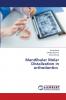
Mandibular molar distalization is a non-extraction orthodontic technique aimed at correcting Class III malocclusion crowding and aesthetic concerns by moving mandibular molars posteriorly. It requires precise diagnosis treatment planning and biomechanical control due to anatomical challenges such as limited retromolar space and dense mandibular bone. Techniques include removable and fixed appliances skeletal anchorage with TADs or mini-plates and clear aligners. Digital tools like CBCT enhance diagnosis and appliance design. Biomechanical strategies must prevent unwanted tipping and ensure controlled molar movement. Success depends on patient selection anchorage control and monitoring periodontal and TMJ responses. Long-term retention interdisciplinary coordination and emerging technologies like AI hold promise for improved outcomes.

Piracy-free

Assured Quality

Secure Transactions

Fast Delivery

Sustainably Printed
Details
ISBN 13
9786207810383
Publication Date
-21-07-2025
Pages
-104
Weight
-153 grams
Dimensions
-152x229x6.33 mm
