

English


Paperback
₹3737
₹4005
6.69% OFF
(All inclusive*)
Delivery Options
Please enter pincode to check delivery time.
*COD & Shipping Charges may apply on certain items.
Review final details at checkout.
Looking to place a bulk order? SUBMIT DETAILS

Piracy-free

Assured Quality

Secure Transactions
About The Book
Description
Author
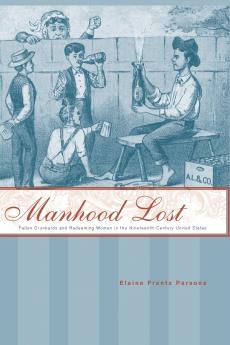
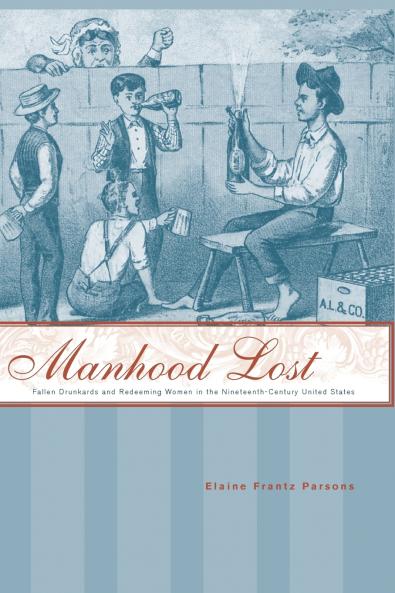
In fiction drama poems and pamphlets nineteenth-century reformers told the familiar tale of the decent young man who fell victim to demon rum: Robbed of his manhood by his first drink he slid inevitably into an abyss of despair and depravity. In its discounting of the importance of free will argues Elaine Frantz Parsons this story led to increased emphasis on environmental influences as root causes of drunkenness poverty and moral corruption-thus inadvertently opening the door to state intervention in the form of Prohibition. Parsons also identifies the emergence of a complementary narrative of female invasion-womanhood as a moral force powerful enough to sway choice. As did many social reformers women temperance advocates capitalized on notions of feminine virtue and domestic responsibilities to create a public role for themselves. Entering a distinctively male space-the saloon-to rescue fathers brothers and sons women at the same time began to enter another male bastion-politics-again justifying their transgression in terms of rescuing the nation's manhood.
Piracy-free
Assured Quality
Secure Transactions
Delivery Options
Please enter pincode to check delivery time.
*COD & Shipping Charges may apply on certain items.
Review final details at checkout.
Details
ISBN 13
9780801892561
Publication Date
-01-07-2009
Pages
-256
Weight
-352 grams
Dimensions
-152x229x14.73 mm
