

English


Paperback
₹5748
(All inclusive*)
Delivery Options
Please enter pincode to check delivery time.
*COD & Shipping Charges may apply on certain items.
Review final details at checkout.
Looking to place a bulk order? SUBMIT DETAILS
Delivery Options
Please enter pincode to check delivery time.
*COD & Shipping Charges may apply on certain items.
Review final details at checkout.
About The Book
Description
Author
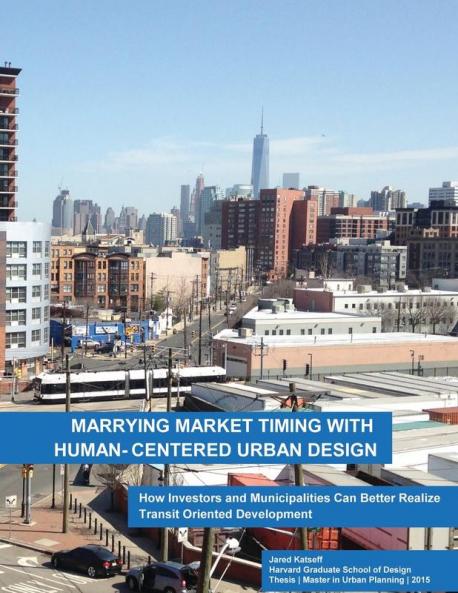
My thesis sought to better understand the interaction between transit investments and property values. Specifically I sought to understand when in the investment cycle residential properties went from their pre- to post- transit value and what urban design impacts could help amplify this change. For each of the corridors studied market sales transaction data was collected for all residential properties that were within a half-mile walkshed of each new station. From this data we calculated growth rate premiums that existed for the property values in the transit area walksheds versus a control as well as how these premiums evolved over time. Surveys were also conducted in each of the corridors to document and quantify the existence of various characteristics associated with walkable human-centered urban design. This data was applied to the market sales data in a multiple regression analysis to determine which urban design features were most associated with higher property value growth rates.

Piracy-free

Assured Quality

Secure Transactions

Fast Delivery

Sustainably Printed
Details
ISBN 13
9781329189492
Publication Date
-03-06-2015
Pages
-144
Weight
-357 grams
Dimensions
-216x280x9.5 mm
