

English


Paperback
₹202
₹250
19.2% OFF
(All inclusive*)
Delivery Options
Please enter pincode to check delivery time.
*COD & Shipping Charges may apply on certain items.
Review final details at checkout.
Looking to place a bulk order? SUBMIT DETAILS
Delivery Options
Please enter pincode to check delivery time.
*COD & Shipping Charges may apply on certain items.
Review final details at checkout.
About The Book
Description
Author
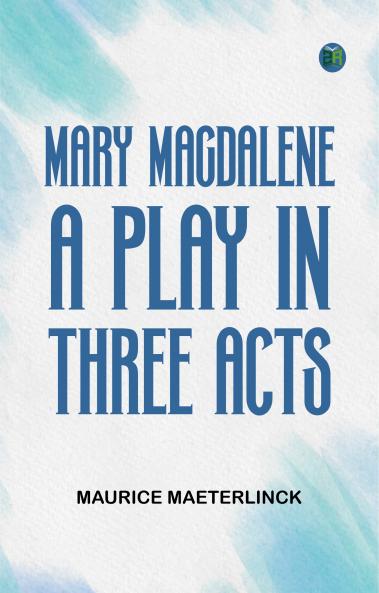
The play's structure is symbolic rather than conventional and it moves away from historical or religious accuracy focusing instead on the psychological state of Mary Magdalene. The action revolves around her moments of contemplation and conversation with other figures including a Christ-like figure who represents spiritual enlightenment. This character serves as a guide for Mary leading her through an emotional and spiritual awakening. The play explores themes of guilt forgiveness and divine love depicting Mary’s inner journey as she seeks to reconcile her past with the possibility of spiritual rebirth. In typical Maeterlinck fashion Mary Magdalene employs rich symbolism and a dreamy ethereal atmosphere to depict the complexity of the human soul. Rather than presenting an outwardly dramatic narrative the play focuses on internal conflict and the subtle emotional shifts that lead to transformation. Maeterlinck’s use of symbolic imagery allows for a deep exploration of the theme of redemption as Mary seeks to transcend her past through love and self-purification. The play is a meditation on the nature of spirituality offering a timeless exploration of the human quest for meaning and inner peace.

Piracy-free

Assured Quality

Secure Transactions

Fast Delivery

Sustainably Printed
Details
ISBN 13
9789364545433
Publication Date
-10-01-2025
Pages
-64
Weight
-87 grams
Dimensions
-139.7x215.9x4.03 mm
