

English


₹9117
(All inclusive*)
Hardback
Delivery Options
Please enter pincode to check delivery time.
*COD & Shipping Charges may apply on certain items.
Review final details at checkout.
Looking to place a bulk order? SUBMIT DETAILS
Delivery Options
Please enter pincode to check delivery time.
*COD & Shipping Charges may apply on certain items.
Review final details at checkout.
About The Book
Description
Author
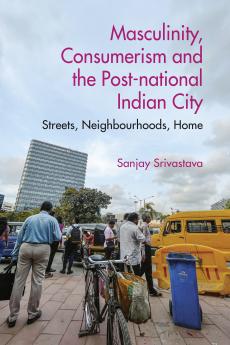
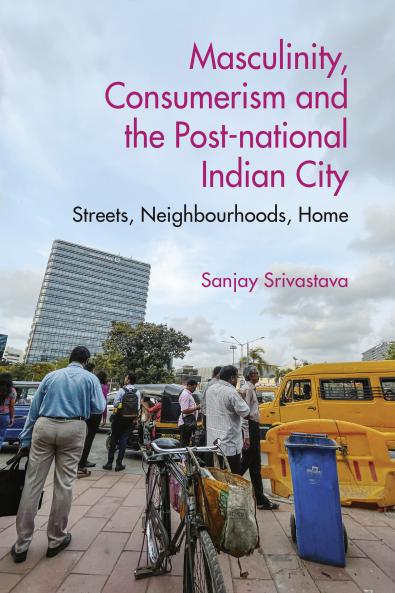
Imagining the city as a series of interconnected spaces the book explores how several such connections - between the home and the street family and public spaces religious and non-religious contexts for example - relate to the topic of masculinity. How do men - elite subaltern consumers 'heads' of the family members of 'Hindu fundamentalist' organisations readers of pulp fiction and 'footpath pornography' those who admire the 'strong' political leader - move between these spaces define them and are defined by them? Urbanisation in India is a vibrant site of an extraordinary cultural social and economic churn a context of both the consolidation of masculine identities as well as anxieties regarding their place in the city. The book suggests that sustained and in-depth engagements with specific historical and social contexts avoids tendencies to imagine cities as nodes of comparison that frequently generates universal models of urbanism.

Piracy-free

Assured Quality

Secure Transactions

Fast Delivery

Sustainably Printed
Details
ISBN 13
9781009179867
Publication Date
-05-01-2023
Pages
-200
Weight
-367 grams
Dimensions
-152.4x228.6x12.72 mm
