

English


Paperback
₹3775
(All inclusive*)
Delivery Options
Please enter pincode to check delivery time.
*COD & Shipping Charges may apply on certain items.
Review final details at checkout.
Looking to place a bulk order? SUBMIT DETAILS

Piracy-free

Assured Quality

Secure Transactions
About The Book
Description
Author
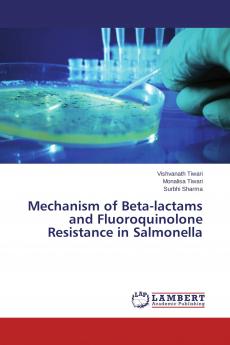
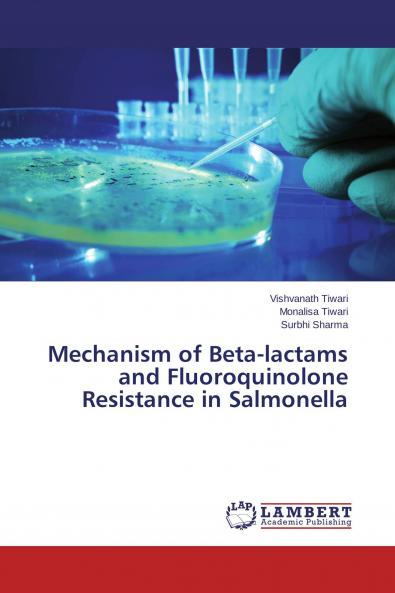
Salmonella is a Gram-negative facultative intracellular anaerobe causing typhoid fever (enteric fever) in humans. Fluoroquinolones and carbapenems are the drug of choice against Salmonella. Emergence of resistance against these drugs makes Salmonella a very lethal pathogen. Fluoroquinolone resistance mechanisms include target gene mutations active efflux pump decreased outer membrane permeability and plasmid-mediated resistance. Recently there is an emergence of beta-lactam resistance in the Salmonella which involve expression of beta-lactamases presence of efflux pump alterations in the outer membrane permeability and elevated metabolism. In the present book we have tried to explain different resistance mechanism developed in Salmonella against different antibiotics which are used against it.
Piracy-free
Assured Quality
Secure Transactions
Delivery Options
Please enter pincode to check delivery time.
*COD & Shipping Charges may apply on certain items.
Review final details at checkout.
Details
ISBN 13
9783659699566
Publication Date
-04-05-2015
Pages
-52
Weight
-85 grams
Dimensions
-150x220x3.27 mm
