

English


Paperback
₹3233
₹4165
22.38% OFF
(All inclusive*)
Delivery Options
Please enter pincode to check delivery time.
*COD & Shipping Charges may apply on certain items.
Review final details at checkout.
Looking to place a bulk order? SUBMIT DETAILS
Delivery Options
Please enter pincode to check delivery time.
*COD & Shipping Charges may apply on certain items.
Review final details at checkout.
About The Book
Description
Author
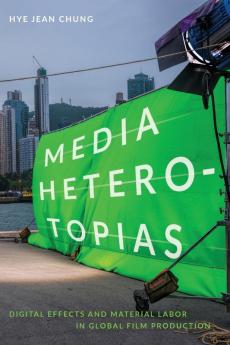
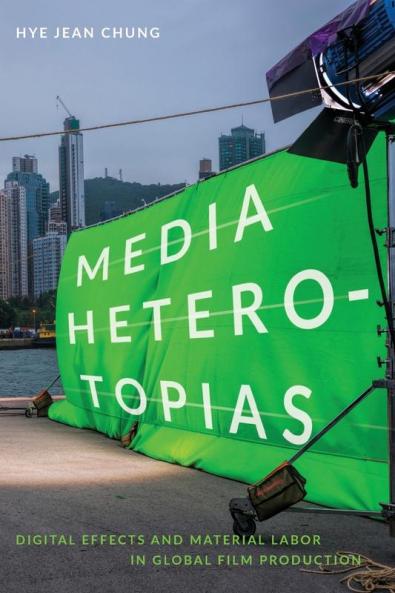
<div>In <i>Media Heterotopias</i> Hye Jean Chung challenges the widespread tendency among audiences and critics to disregard the material conditions of digital film production. Drawing on interviews with directors producers special effects supervisors and other film industry workers Chung traces how the rhetorical and visual emphasis on seamlessness masks the social political and economic realities of global filmmaking and digital labor. In films such as <i>Avatar</i> (2009) <i>Interstellar</i> (2014) and <i>The Host</i> (2006)-which combine live action footage with CGI to create new hybrid environments-filmmaking techniques and seamless digital effects allow the globally dispersed labor involved to go unnoticed by audiences. Chung adapts Foucault's notion of heterotopic spaces to foreground this labor and to theorize cinematic space as a textured multilayered assemblage in which filmmaking occurs in transnational collaborations that depend upon the global movement of bodies resources images and commodities. Acknowledging cinema's increasingly digitized and globalized workflow Chung reconnects digitally constructed and composited imagery with the reality of production spaces and laboring bodies to highlight the political social ethical and aesthetic stakes in recognizing the materiality of collaborative filmmaking.</div>

Piracy-free

Assured Quality

Secure Transactions

Fast Delivery

Sustainably Printed
Details
ISBN 13
9780822370239
Publication Date
-13-02-2018
Pages
-242
Weight
-333 grams
Dimensions
-152x229x12.94 mm
