

English



Paperback
₹2721
₹2995
9.15% OFF
(All inclusive*)
Delivery Options
Please enter pincode to check delivery time.
*COD & Shipping Charges may apply on certain items.
Review final details at checkout.
Looking to place a bulk order? SUBMIT DETAILS
Delivery Options
Please enter pincode to check delivery time.
*COD & Shipping Charges may apply on certain items.
Review final details at checkout.
About The Book
Description
Author
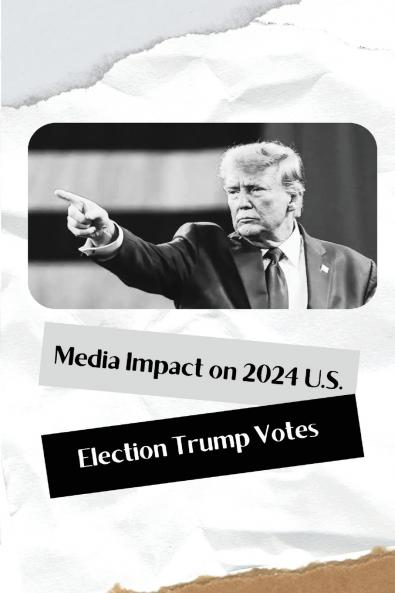
<p>A lack of trust in the election processes and public policy systems challenges an integral</p><p>part of America's representative democracy: free and fair elections. When citizens feel</p><p>disenfranchised the damage to democracy can be significant. If left unchanged or if it</p><p>gets worse the consequences for democracy can be severe as citizens increasingly</p><p>become disenfranchised. The impact of the media on then-Trump supporters for the 2020</p><p>election and whether the mischaracterization of Trump supporters by the media</p><p>negatively affected those voters' sense of connection to government and public policy</p><p>processes was analyzed. The goal was to determine if Trump voters felt the media</p><p>mischaracterized them and what that impact was on their trust in government institutions</p><p>public policy and other areas of their lives. The theoretical foundation the narrative</p><p>policy framework (NPF) was used to analyze the narratives from interviews of 20 White</p><p>male Trump voters aged 30-65 in response to a series of questions asking how they felt</p><p>the media characterized them. The study's key results were that 82% of the participants</p><p>felt disenfranchised by how the media framed them as voters. The NPF plot categories</p><p>that were dominant were Story of Helplessness and a Lack of Control (35%) and</p><p>Story of Decline (34%). The positive social change implications include exploring</p><p>potential issues with how the media affects essential political and policy discourse and</p><p>providing the insights to build towards progress with media characterizations' negative</p><p>impact on citizen connectedness to policymaking legislative processes elections and</p><p>democracy.</p>

Piracy-free

Assured Quality

Secure Transactions

Fast Delivery

Sustainably Printed
Details
ISBN 13
9798348421908
Publication Date
-13-01-2025
Pages
-172
Weight
-242 grams
Dimensions
-152x229x10.08 mm
