

English



Paperback
₹880
₹940
6.35% OFF
(All inclusive*)
Delivery Options
Please enter pincode to check delivery time.
*COD & Shipping Charges may apply on certain items.
Review final details at checkout.
Looking to place a bulk order? SUBMIT DETAILS
Delivery Options
Please enter pincode to check delivery time.
*COD & Shipping Charges may apply on certain items.
Review final details at checkout.
About The Book
Description
Author
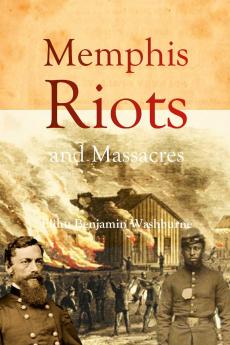
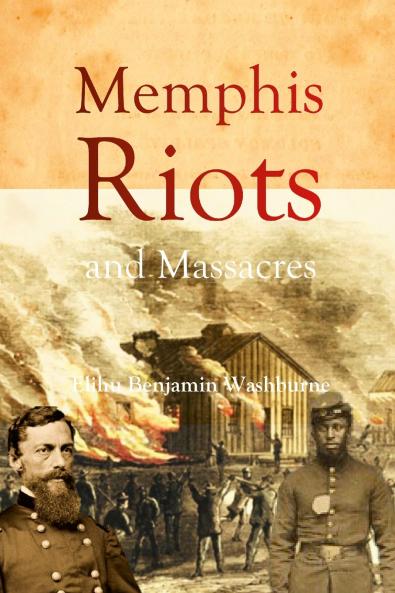
<b>Washburne...depicted the riot as a massacre of blacks approved by the press and city officials. -But There was No Peace (2007)<br>Washburne...highlight[ed] for the record that it was former slaves who had been brutalized by white southerners in this riot. -Terror in the Heart of Freedom (2009)<br>Fueling this quest was Washburne's fervent engagement with the great postwar questions and his intuition that the riot held the answers to many of them. -A Massacre in Memphis (2013)<br>Washburne...reports...the temper and feeling of the people is bad if not worse than at any time previous to the outbreak of rebellion. -Daily Ohio Statesman Jun. 23 1866</b><br>What sparked the Memphis riot of 1866 that led to the deaths of 48 and homelessness of hundreds?<br>In 1866 an on-site investigation by Congressman Elihu Benjamin Washburne (1816-1887) and his committee would result in Washburne's harrowing 1866 report titled Memphis Riots and Massacres.<br>The Memphis massacre of 1866 was a series of violent events that occurred from May 1 to 3 1866 in Memphis Tennessee. The racial violence was ignited by political social and racial tensions following the American Civil War in the early stages of Reconstruction. After a shooting altercation between white policemen and black veterans recently mustered out of the Union Army mobs of white residents and policemen rampaged through black neighborhoods and the houses of freedmen attacking and killing black soldiers and civilians and committing many acts of robbery and arson.<br>In introducing his book Washburne writes:<br>The committee reached Memphis on the 22d day of May last and immediately proceeded with their investigations. They examined a hundred and seventy witnesses....Previous to this time the people of Memphis had been clamoring for a withdrawal of all the United States troops boasting that they were perfectly competent to take care of themselves. General Stoneman had therefore turned the city and that section of country over to the civil authorities as far as it was practicable holding them responsible for good order peace and quiet....<br>About the author:<br>Elihu Benjamin Washburne (1816-1887) was an American politician and diplomat. A member of the Washburn family which played a prominent role in the early formation of the United States Republican Party he served as a congressman from Illinois before and during the American Civil War.

Piracy-free

Assured Quality

Secure Transactions

Fast Delivery

Sustainably Printed
Details
ISBN 13
9781387937820
Publication Date
-22-05-2022
Pages
-100
Weight
-148 grams
Dimensions
-152x229x6.08 mm
