



This Book is Out of Stock!
English



Paperback
₹5159
₹6653
22.46% OFF
(All inclusive*)
Delivery Options
*COD & Shipping Charges may apply on certain items.
Review final details at checkout.
Looking to place a bulk order? SUBMIT DETAILS
*COD & Shipping Charges may apply on certain items.
Review final details at checkout.
₹5159
₹6653
22% OFF
Paperback
Out Of Stock
All inclusive*
About The Book
Description
Author(s)
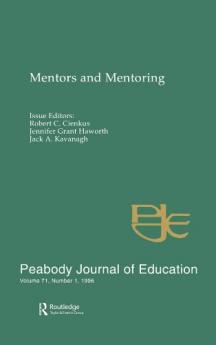
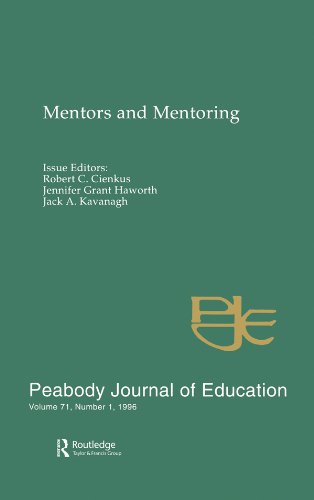
<p>The definition and parameters of teacher education have recently been changed by the concept of mentoring. Supporters of the concept maintain that it is an effective technique for inducting and retaining new teachers but who and what are mentors and what attributes do they possess?<br><br> Previous research has identified collaboration enthusiasm emotional commitment and sensitivity as the necessary traits of an effective mentor. It has also been found that mentors are available give immediate feedback listen attentively and collaboratively solve problems with mentees. Epistemological structures that best serve the mentor-novice relationship gender issues between mentors and protégés and moral development orientations within the mentor-intern relationship have also been investigated.<br><br> Thus mentoring is a complex activity that involves a mentor an intern or novice and a process within a predetermined structure. The articles in this special issue validate the fact that the terms good mentor and effective mentoring relationship often elude easy definition. However a common theme emerges: The mentor-mentee relationship is a transformative one that can change the course of one's life.</p>

Piracy-free

Assured Quality

Secure Transactions

Fast Delivery

Sustainably Printed
Details
ISBN 13
9781138980952
Publication Date
-06-09-2016
Pages
-130
Weight
-187 grams
Dimensions
-152x229x7.28 mm
