





₹3228
₹4176
22.7% OFF
(All inclusive*)
Paperback
Delivery Options
Please enter pincode to check delivery time.
*COD & Shipping Charges may apply on certain items.
Review final details at checkout.
Looking to place a bulk order? SUBMIT DETAILS
Delivery Options
Please enter pincode to check delivery time.
*COD & Shipping Charges may apply on certain items.
Review final details at checkout.
About The Book
Description
Author
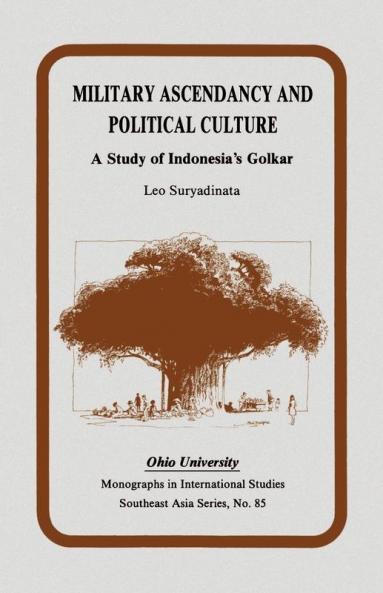
<div>Most of the earlier studies on the Indonesian political party Golkar tend to view the organization solely as an electoral machine used by the military to legitimize its power. However this study is different in that it considers Golkar less an electoral machine and more as a political organization which inherited the political traditions of the nominal Muslim parties and the Javanese governing elite pre-1965 before the inauguration of Indonesia's New Order. Golkar then is seen in this book as nominal Islam with a military element that tends to differentiate it from previous political parties in the country.<br> <br> Leo Suryadinata traces the birth struggle and emergence of this party so closely identified with Indonesia's President Suharto. Yet to claim that Suharto and the military dominate the party is to view Golkar superficially for the party is also composed of factions of civil servants and the Minister of Security and Defense as well as several other governmental agencies. A complex and well-detailed cultural history of Indonesia's most powerful political party this case study should have wider implications for the study of military behavior in the Third World.</div>

Piracy-free

Assured Quality

Secure Transactions

Fast Delivery

Sustainably Printed
Details
ISBN 13
9780896801547
Publication Date
-30-07-1989
Pages
-252
Weight
-301 grams
Dimensions
-140x216x14.51 mm
