

English


Paperback
₹1687
₹1845
8.56% OFF
(All inclusive*)
Delivery Options
Please enter pincode to check delivery time.
*COD & Shipping Charges may apply on certain items.
Review final details at checkout.
Looking to place a bulk order? SUBMIT DETAILS

Piracy-free

Assured Quality

Secure Transactions
About The Book
Description
Author
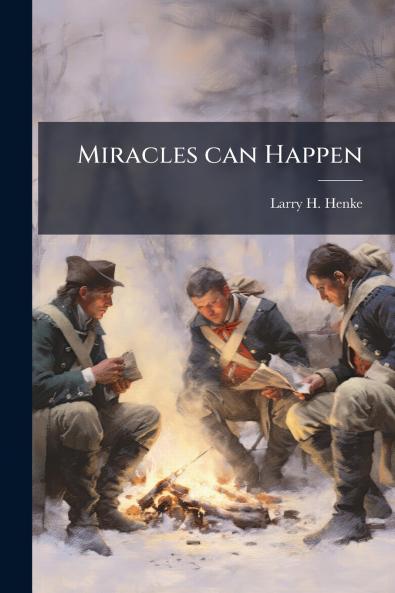
<p>This monograph analyzes the events that led to South Carolinas'; uncommon democratic unification following the bitter partisan fighting of the American Revolution. From the study the author identified common threads in events or ideals that fostered the birth of a united nation following guerilla warfare within. The focus did not center on a model for construction of a Constitutional Republic but instead the focus was on gleaning the basis for popular unity following irregular conflict. In today's era of persistent conflict and uncertainty the measure of victory has shifted from those used in past wars. The capitulation of a massed enemy army is no longer the measure of mission accomplishment. Now the establishment of popular unity towards a common good is the goal for successful extended peace following conflict. From the unique experience the Americans faced following the American Revolution this work draws links between how Britain chose to fight the American Revolutionary War the violent partisan warfighting of the separate American factions and their resultant motivations in the rebuilding. The study follows a broad range of secondary sources covering the American Revolution for insight into the arrogant nature of the British parliament leading to conflict the brutal nature of the war and the commonality of thought and action between the two Colonial factions post conflict. To narrow the scope attention focuses on the irregular style of fighting in South Carolina and the unification following as a representation of the rationale of the American Colonists. In search of catalysts for post conflict unification the author studied the background for the foundation of the American colony Britain's violent theme for the Southern Campaign specifically the brutality of Colonel Banastre Tarleton and how this</p><p>This work has been selected by scholars as being culturally important and is part of the knowledge base of civilization as we know it. This work was reproduced from the original artifact and remains as true to the original work as possible. Therefore you will see the original copyright references library stamps (as most of these works have been housed in our most important libraries around the world) and other notations in the work.</p><p>This work is in the public domain in the United States of America and possibly other nations. Within the United States you may freely copy and distribute this work as no entity (individual or corporate) has a copyright on the body of the work.</p><p>As a reproduction of a historical artifact this work may contain missing or blurred pages poor pictures errant marks etc. Scholars believe and we concur that this work is important enough to be preserved reproduced and made generally available to the public. We appreciate your support of the preservation process and thank you for being an important part of keeping this knowledge alive and relevant.</p>
Piracy-free
Assured Quality
Secure Transactions
Delivery Options
Please enter pincode to check delivery time.
*COD & Shipping Charges may apply on certain items.
Review final details at checkout.
Details
ISBN 13
9781288289011
Publication Date
-12-11-2012
Pages
-52
Weight
-89 grams
Dimensions
-156x234x2.84 mm
