




This Book is Out of Stock!
English



Hardback
₹7051
₹8075
12.68% OFF
(All inclusive*)
Delivery Options
*COD & Shipping Charges may apply on certain items.
Review final details at checkout.
Looking to place a bulk order? SUBMIT DETAILS

Piracy-free

Assured Quality

Secure Transactions
About The Book
Description
Author
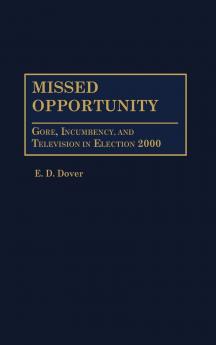
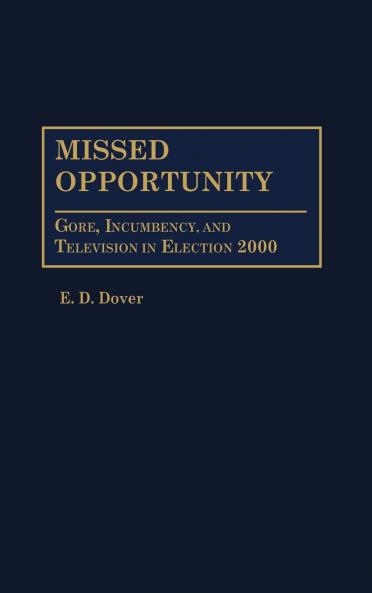
While the 2000 presidential election had a number of unique features including the decisive role of the Supreme Court it actually was quite similar to three earlier television-age campaigns. For the fourth time since 1960 an incumbent president retired and his party nominated the vice president as a potential successor. The nomination of the vice president has become so commonplace that we now expect it. Unfortunately we lack theoretical explanations of why vice presidents win nominations while often losing the general election. Dover seeks to advance this needed theory.Dover looks at the recurring features of television-age elections with surrogate incumbents and applies them to a description of the leading events of Election 2000. The emphasis is on mediated incumbency a phenomenon that occurs when mass media particularly television exert enormous influence in defining the context and meaning of politics for most voters. The first topics considered are the growth of the modern vice presidency and the nature of surrogate incumbent elections. The outcome of such elections often turns on how effectively the vice president and his opponent overcome dilemmas unique to their strategic positions as incumbent or challenger. Dover then describes the campaign from January 1999 through December 2000 from the perspective of television news media and shows how Gore failed to overcome his dilemma during a time marked by peace and prosperity. The text is an important resource for scholars students and other researchers involved with American elections political communication and the American presidency.
Piracy-free
Assured Quality
Secure Transactions
*COD & Shipping Charges may apply on certain items.
Review final details at checkout.
₹7051
₹8075
12% OFF
Hardback
Out Of Stock
All inclusive*
Details
ISBN 13
9780275976385
Publication Date
-30-03-2002
Pages
-214
Weight
-385 grams
Dimensions
-152x229x15.88 mm
