

English


Hardback
₹12186
₹14027
13.12% OFF
(All inclusive*)
Delivery Options
Please enter pincode to check delivery time.
*COD & Shipping Charges may apply on certain items.
Review final details at checkout.
Looking to place a bulk order? SUBMIT DETAILS
Delivery Options
Please enter pincode to check delivery time.
*COD & Shipping Charges may apply on certain items.
Review final details at checkout.
About The Book
Description
Author
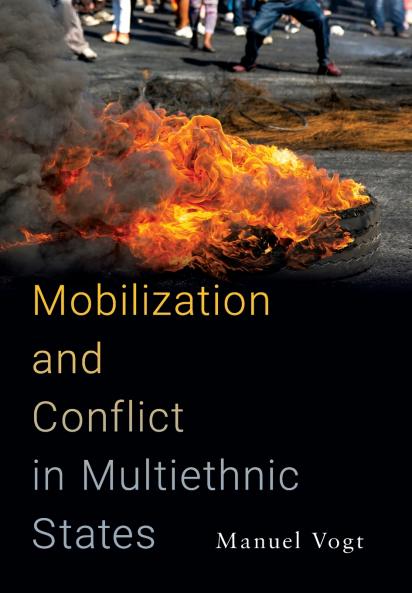
<p>Why are some multiethnic countries more prone to civil violence than others? This book examines the occurrence and forms of conflict in multiethnic states. It presents a theory that explains not only <em>why</em> ethnic groups rebel but also how they rebel. It shows that in extremely unequal societies conflict typically occurs in non-violent forms because marginalized groups lack both the resources and the opportunities for violent revolt. In contrast in more equal but segmented multiethnic societies violent conflict is more likely.</p><p>The book traces the origins of these different types of multiethnic states to distinct experiences of colonial rule. Settler colonialism produced persistent stratification and far-reaching cultural and economic integration of the conquered groups as for example in Guatemala the United States or Bolivia. By contrast in decolonized states such as Iraq Pakistan or Sri Lanka in which independence led to indigenous self-rule the colonizers&#39; &quot;divide and rule&quot; policies resulted in deeply segmented post-colonial societies.</p><p>Combining statistical analyses with case studies based on original field research in four different countries in Sub-Saharan Africa and Latin America Vogt analyzes why and how colonial legacies have led to peaceful or violent ethnic movements.</p>

Piracy-free

Assured Quality

Secure Transactions

Fast Delivery

Sustainably Printed
Details
ISBN 13
9780190065874
Publication Date
-01-10-2019
Pages
-294
Weight
-513 grams
Dimensions
-156x234x20.64 mm
