


This Book is Out of Stock!
English


Paperback
₹329
₹438
24.89% OFF
(All inclusive*)
Delivery Options
*COD & Shipping Charges may apply on certain items.
Review final details at checkout.
Looking to place a bulk order? SUBMIT DETAILS

Piracy-free

Assured Quality

Secure Transactions
About The Book
Description
Author
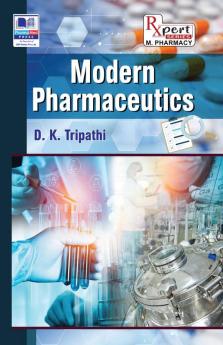
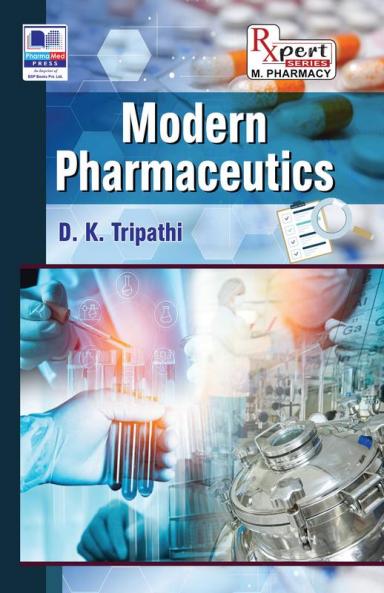
Modern Pharmaceutics is a well-known reference in the field of pharmaceutical sciences and the book is often used as a textbook in pharmaceutical and healthcare programs. This book generally focuses on the development and manufacturing of pharmaceutical dosage forms as well as the science behind their design formulation and delivery.Overview of Modern Pharmaceutics (Book Description):If you are referring to the Modern Pharmaceutics book published by BSP it is likely to cover various essential topics within the pharmaceutical field. Here's a general description of the key content areas the book typically addresses:1. Fundamentals of Pharmaceutics:Introduction to Pharmaceutics: A foundational overview of the field including the role of pharmaceutics in drug delivery and patient care.Pharmaceutical Formulation: Key principles of designing and formulating drugs into various dosage forms (tablets capsules injections topical forms etc.).Physicochemical Properties of Drugs: How a drug’s chemical and physical properties affect its formulation stability and bioavailability.2. Pharmaceutical Dosage Forms:Detailed discussions of different dosage forms such as solid forms (tablets capsules) liquid forms (solutions syrups) and parenteral formulations (injectables).Biopharmaceutics: How the drug’s physical form influences its pharmacokinetics and the absorption process in the body.3. Drug Delivery Systems:Controlled Release: Techniques used to ensure the drug is released at a specific rate over time ensuring therapeutic effectiveness while minimizing side effects.Targeted Drug Delivery: Technologies aimed at delivering the drug to specific tissues or cells to improve efficacy and reduce systemic toxicity.Nanotechnology in Pharmaceutics: The use of nanocarriers like nanoparticles liposomes and other nanostructures for improved drug delivery and enhanced drug stability.4. Pharmaceutical Manufacturing:Pharmaceutical Manufacturing Process: Techniques and principles used to scale up laboratory formulations to industrial production levels.Quality Control (QC) and Quality Assurance (QA): Standards for ensuring that pharmaceutical products meet safety and quality regulations (e.g. GMP - Good Manufacturing Practices).Packaging and Labeling: How drugs are packaged and labeled to meet regulatory requirements and ensure patient safety.5. Pharmaceutical Biotechnology:Biopharmaceuticals: The development of drugs derived from biological sources such as monoclonal antibodies vaccines and recombinant proteins.Gene and Cell Therapy: Advanced topics in biotechnology related to therapeutic interventions using genetic or cellular approaches.6. Pharmacokinetics and Pharmacodynamics:The science of drug absorption distribution metabolism and excretion (ADME).How drugs interact with the body at a molecular level to produce their therapeutic effects and how these interactions can be optimized through drug design.7. Regulatory and Ethical Considerations:Overview of global regulatory frameworks such as FDA EMA and WHO guidelines for drug approval and marketing.Ethical considerations in the development testing and approval of pharmaceutical products especially in clinical trials.8. Emerging Trends in Pharmaceutics:New developments in pharmaceutical technologies and biotechnology that are changing the landscape of drug development.Focus on personalized medicine and the role of pharmacogenomics in tailoring treatments to individual patients.
Piracy-free
Assured Quality
Secure Transactions
*COD & Shipping Charges may apply on certain items.
Review final details at checkout.
₹329
₹438
24% OFF
Paperback
Out Of Stock
All inclusive*
Details
ISBN 13
9789395039949
Publication Date
-07-04-2026
Pages
-438
Weight
-460 grams
Dimensions
-152.4x228.6x17.49 mm
