

English


₹7560
(All inclusive*)
Paperback
Delivery Options
Please enter pincode to check delivery time.
*COD & Shipping Charges may apply on certain items.
Review final details at checkout.
Looking to place a bulk order? SUBMIT DETAILS
Delivery Options
Please enter pincode to check delivery time.
*COD & Shipping Charges may apply on certain items.
Review final details at checkout.
About The Book
Description
Author
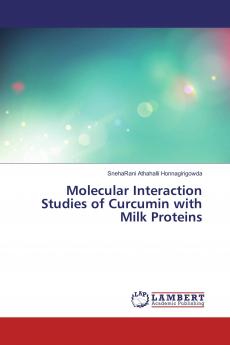
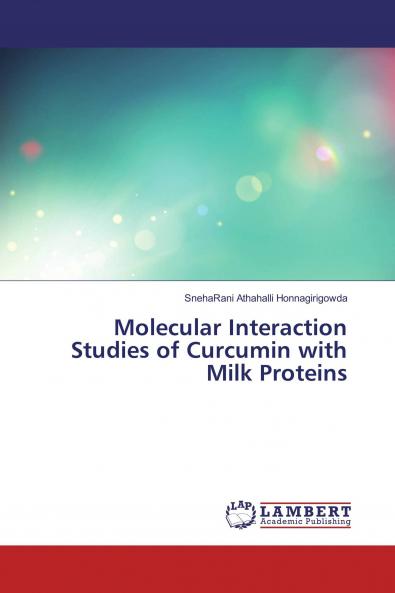
Curcumin (diferuloyl methane; 17-bis [4-hydroxy-3-methoxyphenyl]-16-heptadiene-3 5-dione) a yellow lipid-soluble phenolic dietary spice present in the rhizome of turmeric (Curcuma longa L) finds wide use as a coloring agent in food. Because of its potential health benefits researchers have evinced great interest in this molecule. A wide range of pharmacological attributes of curcumin such as antioxidative anti-inflammatory antiangiogenic antiamyloid anticancer antimicrobial wound healing and hepatoprotective have been well studied. Biological activities of curcumin depend on its bioavailability and metabolism. Poor solubility stability and bioavailability in aqueous media limit the use of curcumin as an efficient medicine. Food based nanocomplexes improve bioavailability and stability of ligands providing protection against degradation by environmental stress (e.g. light heat oxygen or pH sensitivity).Protein nanoparticles being biodegradable and metabolizable serve over other carriers as they can incorporate a wide variety of small molecules in a nonspecific fashion.The present investigation was aimed to gain information on exploring possible carrier.

Piracy-free

Assured Quality

Secure Transactions

Fast Delivery

Sustainably Printed
Details
ISBN 13
9783659819841
Publication Date
-01-04-2016
Pages
-172
Weight
-230 grams
Dimensions
-150x220x9.44 mm
