

English


Paperback
₹6077
₹7793
22.02% OFF
(All inclusive*)
Delivery Options
Please enter pincode to check delivery time.
*COD & Shipping Charges may apply on certain items.
Review final details at checkout.
Looking to place a bulk order? SUBMIT DETAILS
Delivery Options
Please enter pincode to check delivery time.
*COD & Shipping Charges may apply on certain items.
Review final details at checkout.
About The Book
Description
Author
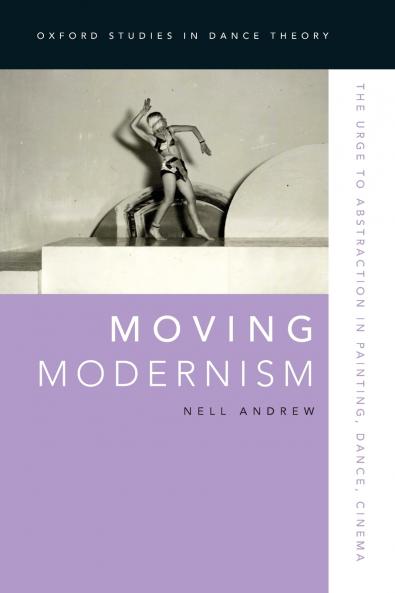
In early twentieth-century Europe the watershed developments of pictorial abstraction modern dance and cinema coincided to shift the artistic landscape and the future of modern art. In <em>Moving Modernism</em> Nell Andrew challenges assumptions about modernist abstraction and its appearance in the field of painting. By recovering performances methods and circles of aesthetic influence for avant-garde dance pioneers and filmmakers from the turn of the century to the interwar period including dancer Lo&#65533;e Fuller who presented to symbolist artists the possibility of prolonged or suspended vision; Valentine de Saint-Point whose radical dance paralleled the abstractions of cubo-futurist painting; Sophie Taeuber and her Dada dance; the Belgian pure plastics choreographer known as Akarova; and the dance-like cinema of Germaine Dulac Andrew demonstrates that abstraction was deployed not only as modernist form but as an apparatus of creation perception and reception across artistic media.<br>

Piracy-free

Assured Quality

Secure Transactions

Fast Delivery

Sustainably Printed
Details
ISBN 13
9780190057282
Publication Date
-16-03-2020
Pages
-254
Weight
-366 grams
Dimensions
-156x234x13.57 mm
