


English


Hardback
₹8829
₹11321
22.01% OFF
(All inclusive*)
Delivery Options
Please enter pincode to check delivery time.
*COD & Shipping Charges may apply on certain items.
Review final details at checkout.
Looking to place a bulk order? SUBMIT DETAILS
Delivery Options
Please enter pincode to check delivery time.
*COD & Shipping Charges may apply on certain items.
Review final details at checkout.
About The Book
Description
Author
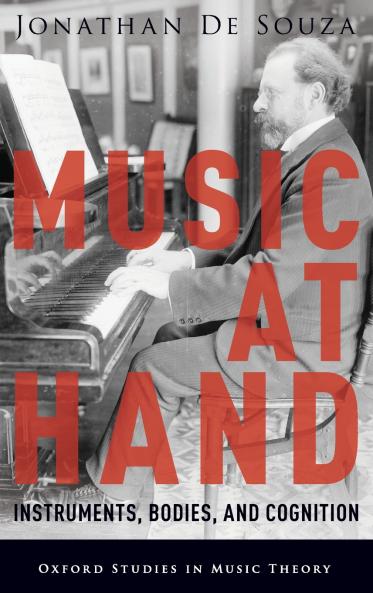
From prehistoric bone flutes to pipe organs to digital synthesizers instruments have been important to musical cultures around the world. Yet how do instruments affect musical organization? And how might they influence players' bodies and minds? <p/><em>Music at Hand </em>explores these questions with a distinctive blend of music theory psychology and philosophy. Practicing an instrument of course builds bodily habits and skills. But it also develops connections between auditory and motor regions in a player's brain. These multi-sensory links are grounded in particular instrumental interfaces. They reflect the ways that an instrument converts action into sound and the ways that it coordinates physical and tonal space. Ultimately these connections can shape listening improvisation or composition. This means that pianos guitars horns and bells are not simply tools for making notes. Such technologies as creative prostheses also open up possibilities for musical action perception and cognition. <p/>Throughout the book author Jonathan De Souza examines diverse musical case studies-from Beethoven to blues harmonica from Bach to electronic music-introducing novel methods for the analysis of body-instrument interaction. A companion website supports these analytical discussions with audiovisual examples including motion-capture videos and performances by the author. Written in lucid prose <em>Music at Hand </em>offers substantive insights for music scholars while remaining accessible to non-specialist readers. This wide-ranging book will engage music theorists and historians ethnomusicologists organologists composers and performers-but also psychologists philosophers media theorists and anyone who is curious about how musical experience is embodied and conditioned by technology.<br>

Piracy-free

Assured Quality

Secure Transactions

Fast Delivery

Sustainably Printed
Details
ISBN 13
9780190271114
Publication Date
-01-04-2017
Pages
-206
Weight
-392 grams
Dimensions
-156x234x12.7 mm
