

English


₹5372
₹5661
5.11% OFF
(All inclusive*)
Paperback
Delivery Options
Please enter pincode to check delivery time.
*COD & Shipping Charges may apply on certain items.
Review final details at checkout.
Looking to place a bulk order? SUBMIT DETAILS
Delivery Options
Please enter pincode to check delivery time.
*COD & Shipping Charges may apply on certain items.
Review final details at checkout.
About The Book
Description
Author
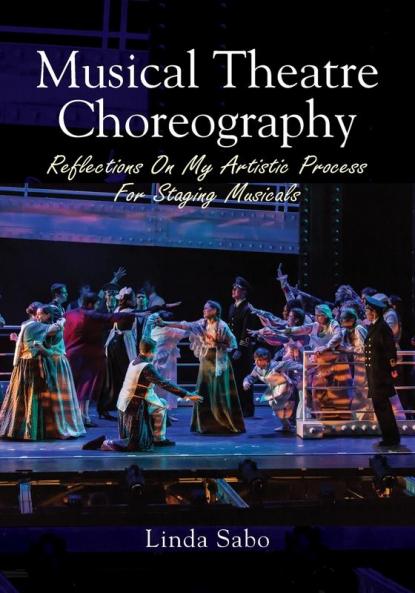
<p>Musical theatre choreography has indisputably evolved over the years and choreographers develop methods of working and philosophical approaches that should be documented but rarely are.&nbsp; Textual information is limited and what has been written is generally more practical than theoretical and is minimal compared to those books written for choreographers of modern and contemporary dance.&nbsp; By pointing out the similarities and dissimilarities between concert dance genres and theatre dance and by identifying the specialized demands of crafting artistic and script-serving theatre dance and staging this text differentiates musical theatre choreography as a separate and bona fide art form and suggests that 1) universities recognize it as such by offering training possibilities for future musical theatre choreographers and 2) established choreographers of musicals begin to write down their own artistic processes to help fill the choreographic toolbox for young choreographers wanting to work in this field.<br />&nbsp;<br />In 1943 a light switch was flipped with the musical Oklahoma! when Rodgers&rsquo; and Hammerstein&rsquo;s mission to keep the book absolutely central to the making of a musical was established.&nbsp; After that other musical theatre artists followed suit causing standards to change. Now no other artistic element in a musical makes a move without first ensuring that it serves the script.&nbsp; By creating original material that is integral to the telling of a story composers and lyricists came to be thought of as dramatists.&nbsp; Likewise Oklahoma! choreographer Agnes de Mille seamlessly integrated her dances and staging into the action and created character and situation-specific movement that actually helped forward the plot. Because of her groundbreaking advances choreographers are now also expected to create dances that serve the script and help to tell the playwright&rsquo;s story. The choreographer like the librettist composer and lyricist is now positioned as dramatist as well.</p><p>In Part 1 the choreographer as dramatist is stressed as the author uses each chapter to reflect upon ways she analyzes librettos and scores to determine the function of each song in a musical and the stories that should be told through dances and staging created for each song.&nbsp; Drawing from her own experiences as a musical theatre director/choreographer she reflects upon and shares her artistic process not in a linear way but anecdotally to illustrate the kind of thinking that will lead her to effectively tackle the job at hand.&nbsp;&nbsp; At the end of each chapter assignments are suggested that may be useful to aspiring choreographers and directors of musicals.&nbsp; This text is a valuable resource for teachers designing a course in theatre choreography on either the undergraduate or graduate level as well as for professional directors and choreographers who want to think more deeply about their own work.&nbsp; Students of choreography will be asked to reflect upon and to work with techniques that are sometimes similar to but also often oppositional to those learned in modern dance choreography courses.&nbsp; Part Two offers an overview of the scope of literature and representative articles that have been published on both topics modern dance composition and musical theatre choreography as it concisely traces the history of modern dance choreographic pedagogy aligning it with concurrent trends happening within the American musical theatre since the mid-19th century.</p>

Piracy-free

Assured Quality

Secure Transactions

Fast Delivery

Sustainably Printed
Details
ISBN 13
9780578221397
Publication Date
-26-04-2020
Pages
-258
Weight
-461 grams
Dimensions
-178x254x17.81 mm
