

English


Paperback
₹1790
₹1992
10.14% OFF
(All inclusive*)
Delivery Options
Please enter pincode to check delivery time.
*COD & Shipping Charges may apply on certain items.
Review final details at checkout.
Looking to place a bulk order? SUBMIT DETAILS

Piracy-free

Assured Quality

Secure Transactions
About The Book
Description
Author(s)
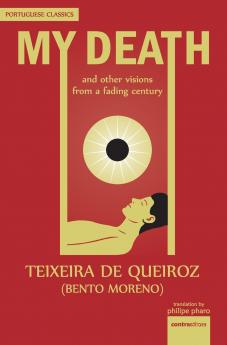
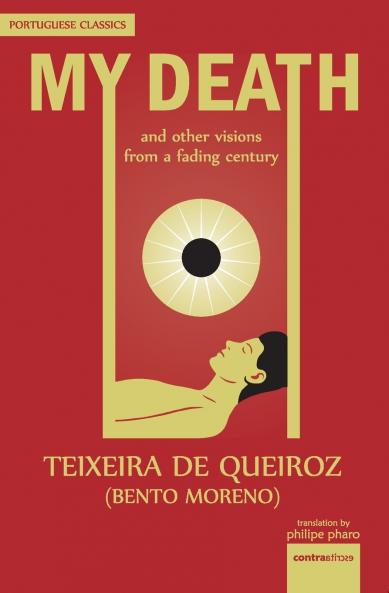
<p>The timeless classic Portuguese author Teixeira de Queiroz (pseud. Bento Moreno) is now available in English for the very first time. This first ever translation of the author's work by Philipe Pharo is a showcase anthology of short stories that unveils a long-overlooked literary gem offering readers an insight at the rich tradition of Portuguese Literature and Culture.</p><p><em style=background-color: rgba(255 255 255 1)>My Death</em><span style=background-color: rgba(255 255 255 1)> the first story in this book is most certainly an example of the existentialism wave where a man looks into his illness and convalescence while trying to discern whether he fell to hell or raised to heaven.</span></p><p><span style=background-color: rgba(255 255 255 1)>The second story </span><em style=background-color: rgba(255 255 255 1)>Our Lord Jesus Christ</em><span style=background-color: rgba(255 255 255 1)> is a small travelogue which makes use of some religious irony paving the way to a mysterious encounter.</span></p><p><span style=background-color: rgba(255 255 255 1)>As for the third story </span><em style=background-color: rgba(255 255 255 1)>The Blind Man from Guardiam</em><span style=background-color: rgba(255 255 255 1)> being the longest and perhaps one of the author's best-known short stories it talks about a common figure with much importance in Northern Portugal the fiddler. The musician travels from village to village and cities where people always have great expectations about his presence in local festivities in time he becomes incredibly famous and much appreciated until one day his mastery is put to the test.</span></p><p><span style=background-color: rgba(255 255 255 1)>Finally </span><em style=background-color: rgba(255 255 255 1)>A King's Oldness</em><span style=background-color: rgba(255 255 255 1)> is a story which might be considered a reflexion the same as </span><em style=background-color: rgba(255 255 255 1)>My Death</em><span style=background-color: rgba(255 255 255 1)> with a different narrative point of view and with a more materialistic approach to human mind and will questioning the aristocratic hypocrisy and the true relevance of richness to one's life. </span></p><p><span style=background-color: rgba(255 255 255 1)>In summary we can say that Teixeira de Queiroz had a very sharped interest in society in its contradictions but also in its most ordinary culture and these stories most surely prove it.</span></p><p></p><p>The Editor: Filipe Faro da Costa</p>
Piracy-free
Assured Quality
Secure Transactions
Delivery Options
Please enter pincode to check delivery time.
*COD & Shipping Charges may apply on certain items.
Review final details at checkout.
Details
ISBN 13
9789893621400
Publication Date
-22-04-2025
Pages
-118
Weight
-134 grams
Dimensions
-133x203x7.1 mm
