

English


Hardback
₹14834
₹16738
11.38% OFF
(All inclusive*)
Delivery Options
Please enter pincode to check delivery time.
*COD & Shipping Charges may apply on certain items.
Review final details at checkout.
Looking to place a bulk order? SUBMIT DETAILS

Piracy-free

Assured Quality

Secure Transactions
About The Book
Description
Author
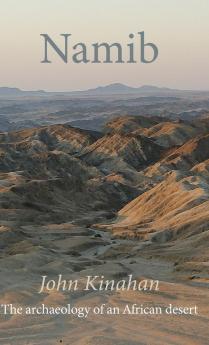
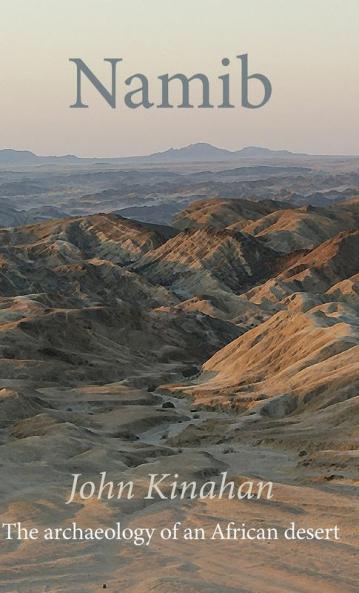
This is a story of human survival over the last one million years in the Namib Desert - one of the most hostile environments on Earth. <i>Namib </i>reveals the resilience and ingenuity of desert communities and provides a vivid picture of our species' response to climate change and ancient strategies to counter ever-present risk. Dusty fragments of stone pottery and bone tell a history of perpetual transition of shifting and temporary states of balance. <i>Namib </i>digs beneath the usual evidence of archaeology to uncover a world of arcane rituals of travelling rain-makers of intricate social networks which maintained vital systems of negotiated access to scarce resources. Ranging from the earliest evidence of human occupation through colonial rule and genocide to the invasion of the desert by South African troops during the First World War this is the first comprehensive archaeology of the Namib. Among its important contributions are the reclaiming of the indigenous perspective during the brutal colonial occupation and establishing new material links between the imperialist project in German South West Africa during 1885-1915 and the Third Reich and between Nazi ideology and Apartheid.<br/>Southern Africa: University of Namibia Press/Jacana
Piracy-free
Assured Quality
Secure Transactions
Delivery Options
Please enter pincode to check delivery time.
*COD & Shipping Charges may apply on certain items.
Review final details at checkout.
Details
ISBN 13
9781847012883
Publication Date
-21-01-2022
Pages
-544
Weight
-709 grams
Dimensions
-140x216x30.16 mm
