

English


₹7386
₹8284
10.84% OFF
(All inclusive*)
Hardback
Delivery Options
Please enter pincode to check delivery time.
*COD & Shipping Charges may apply on certain items.
Review final details at checkout.
Looking to place a bulk order? SUBMIT DETAILS
Delivery Options
Please enter pincode to check delivery time.
*COD & Shipping Charges may apply on certain items.
Review final details at checkout.
About The Book
Description
Author
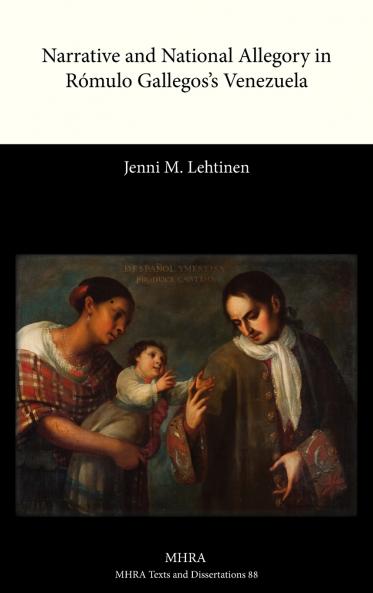
<p>Venezuela's preeminent educator politician and most important author Rómulo Gallegos (1884-1969) left a lasting imprint on how Venezuelans conceive of their national history and identity. Jenni Lehtinen offers the first full-length study of Gallegos's later Venezuelan novels <em>Canaima </em>(1935) <em>Pobre negro </em>(1937) and <em>Sobre la misma tierra</em> (1943) which have been up to now eclipsed by the critical attention devoted to <em>Doña Bárbara</em> (1929). By combining close-readings organized around national allegory and narrative structure with discussions about Gallegos's socio-political essays the study reveals previously ignored radical developments in the Venezuelan author's ideologies. Through her bold reinterpretation of the later novels Lehtinen reveals Gallegos as a far more innovative writer than has been traditionally appreciated. </p>

Piracy-free

Assured Quality

Secure Transactions

Fast Delivery

Sustainably Printed
Details
ISBN 13
9781907322792
Publication Date
-14-01-2013
Pages
-190
Weight
-370 grams
Dimensions
-156x234x12.7 mm
