

English


₹10886
₹14025
22.38% OFF
(All inclusive*)
Hardback
Delivery Options
Please enter pincode to check delivery time.
*COD & Shipping Charges may apply on certain items.
Review final details at checkout.
Looking to place a bulk order? SUBMIT DETAILS
Delivery Options
Please enter pincode to check delivery time.
*COD & Shipping Charges may apply on certain items.
Review final details at checkout.
About The Book
Description
Author
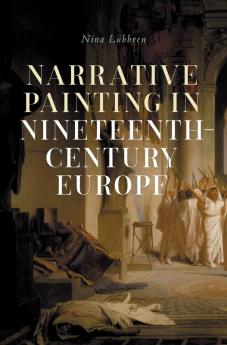
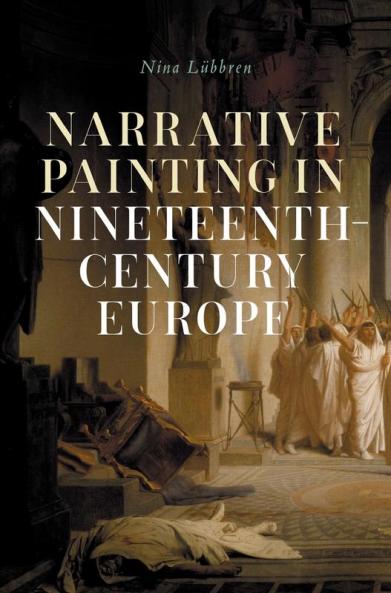
This ground-breaking book presents a critical study of pictorial narrative in nineteenth-century European painting. Covering works from France Germany Britain Italy and elsewhere it traces the ways in which immensely popular artists like Jean-Léon Gérôme Karl von Piloty and William Quiller Orchardson used unique visual strategies to tell thrilling and engaging stories. Regardless of genre content or national context these paintings share a fundamental modern narrative mode. Unlike traditional art they do not rely on textual sources; nor do they tell stories through the human body alone. Instead they experiment with objects spaces cause-and-effect relations and open-ended ambiguity prompting viewers and reviewers to read for clues in order to weave their own elaborate tales.

Piracy-free

Assured Quality

Secure Transactions

Fast Delivery

Sustainably Printed
Details
ISBN 13
9781526168573
Publication Date
-23-05-2023
Pages
-252
Weight
-518 grams
Dimensions
-170x244x20.64 mm
