



English



Paperback
₹4445
₹5029
11.61% OFF
(All inclusive*)
Delivery Options
Please enter pincode to check delivery time.
*COD & Shipping Charges may apply on certain items.
Review final details at checkout.
Looking to place a bulk order? SUBMIT DETAILS

Piracy-free

Assured Quality

Secure Transactions
About The Book
Description
Author
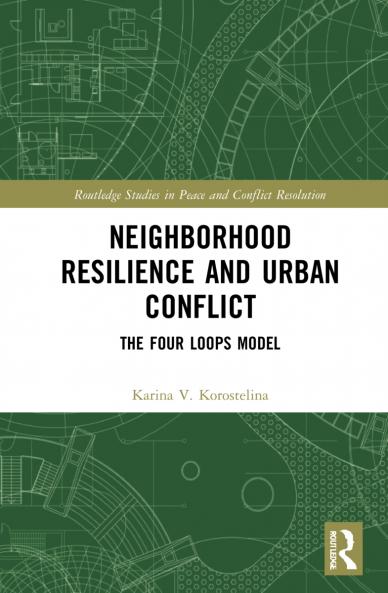
<p>This book explores the resilience in urban neighborhoods affected by chronic conflict and violence developing a new model for improving resilience policies.</p><p>The neighborhood resilience approach is an inclusive form of building positive resilience which recognizes that local communities possess valuable skills and experience of dealing with crises and prioritizes the agency of local communities in the production of knowledge and developing practices. The book identifies and describes the repertoire of neighborhood resilience practices organized in four clusters: (1) addressing the structure of conflict; (2) increasing the effectiveness of external resources; (3) enhancing the community capacities; and (4) reflecting the dynamics of identity and power in neighborhoods. One of the key findings of the book is the nonlinear connections between structure and dynamics of conflict and neighborhood resilience practices represented in the Four Loops Model. The concentration on community-based practices addresses macro-level critiques of neo-liberalism in critical resilience studies and encourages rethinking the ways community-based indicators might operate in combination with existing macro indicators of resilience. The bottom-up indicators provide more specific details and essential localized experiences for improving resilience policies at the national level.</p><p>This book will be of much interest to students of conflict resolution resilience urban studies and US politics.</p>
Piracy-free
Assured Quality
Secure Transactions
Delivery Options
Please enter pincode to check delivery time.
*COD & Shipping Charges may apply on certain items.
Review final details at checkout.
Details
ISBN 13
9781032060873
Publication Date
-31-05-2023
Pages
-190
Weight
-278 grams
Dimensions
-155.96x233.93x10.36 mm
