


English


Paperback
₹3701
₹4768
22.38% OFF
(All inclusive*)
Delivery Options
Please enter pincode to check delivery time.
*COD & Shipping Charges may apply on certain items.
Review final details at checkout.
Looking to place a bulk order? SUBMIT DETAILS
Delivery Options
Please enter pincode to check delivery time.
*COD & Shipping Charges may apply on certain items.
Review final details at checkout.
About The Book
Description
Author(s)
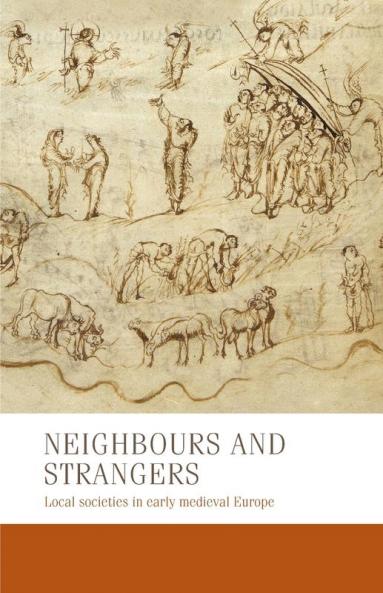
This book explores social cohesion in rural settlements in western Europe from 700-1050 asking to what extent settlements or districts constituted units of social organisation. It focuses on the interactions interconnections and networks of people who lived side by side - neighbours. Drawing evidence from most of the current western European countries the book plots and interrogates the very different practices of this wide range of regions in a systematically comparative framework. <i>Neighbours and strangers</i> considers the variety of local responses to the supra-local agents of landlords and rulers and the impact such as it was of those agents on the small-scale residential group. It also assesses the impact on local societies of the values instructions and demands of the wider literate world of Christianity as delivered by local priests.

Piracy-free

Assured Quality

Secure Transactions

Fast Delivery

Sustainably Printed
Details
ISBN 13
9781526163899
Publication Date
-12-07-2022
Pages
-308
Weight
-365 grams
Dimensions
-140x216x16.38 mm
