


English




Paperback
₹4153
₹5373
22.71% OFF
(All inclusive*)
Delivery Options
Please enter pincode to check delivery time.
*COD & Shipping Charges may apply on certain items.
Review final details at checkout.
Looking to place a bulk order? SUBMIT DETAILS
Delivery Options
Please enter pincode to check delivery time.
*COD & Shipping Charges may apply on certain items.
Review final details at checkout.
About The Book
Description
Author
Shoutouts
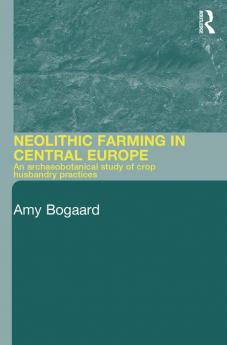
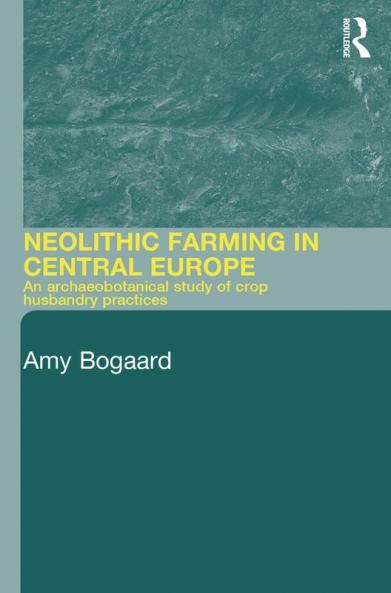
<p><em>Neolithic Farming in Central Europe</em> examines the nature of the earliest crop cultivation a subject that illuminates the lives of Neolithic farming families and the day-to-day reality of the transition from hunting and gathering to farming.</p><p>Debate surrounding the nature of crop husbandry in Neolithic central Europe has focussed on the permanence of cultivation its intensity and its seasonality: variables that carry different implications for Neolithic society.</p><p>Amy Bogaard reviews the archaeological evidence for four major competing models of Neolithic crop husbandry - shifting cultivation extensive plough cultivation floodplain cultivation and intensive garden cultivation - and evaluates charred crop and weed assemblages.</p><p>Her conclusions identify the most appropriate model of cultivation and highlight the consequences of these agricultural practices for our understanding of Neolithic societies in central Europe.</p>

Piracy-free

Assured Quality

Secure Transactions

Fast Delivery

Sustainably Printed
Details
ISBN 13
9780415324861
Publication Date
-16-09-2004
Pages
-226
Weight
-328 grams
Dimensions
-156x234x12.21 mm
