

English


₹647
₹995
34.97% OFF
(All inclusive*)
Hardback
Delivery Options
Please enter pincode to check delivery time.
*COD & Shipping Charges may apply on certain items.
Review final details at checkout.
Looking to place a bulk order? SUBMIT DETAILS
Delivery Options
Please enter pincode to check delivery time.
*COD & Shipping Charges may apply on certain items.
Review final details at checkout.
About The Book
Description
Author
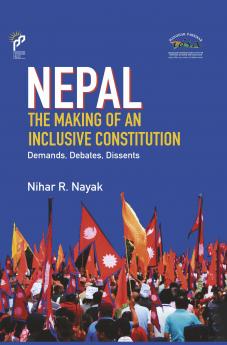
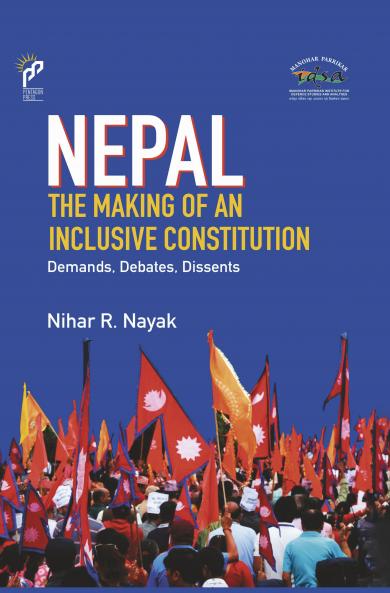
This book delves into the intricate dynamics surrounding the creation of Nepal’s Constitution and the persistent struggle for inclusion by marginalised groups. It provides a comprehensive analysis of the movements opposing the 2015 Constitution and their implications for Nepal’s internal stability.The text is structured into six chapters excluding the Introduction and Conclusion. The Introduction provides an overview of the key themes in the book as well as the research methodology employed in the study. The book begins by examining Nepal’s ethnic-regional dynamics highlighting the dominance of Hill elites and the marginalisation of Janajati and Madhesi communities despite Constitutional promises of inclusivity. It traces the evolution of Janajati and Madhesi movements detailing their historical roles internal divisions and struggles to consolidate political power. It also discusses the Maoist movement’s appropriation and neglect of Janajati demands the challenges faced by Nepal’s Constituent Assemblies in drafting an inclusive Constitution and the growing public disillusionment with the democratic process. Finally it analyses external influences on Nepal’s internal politics.The study bridges a critical research gap by focusing on post-2015 developments in these movements and their evolution within the changing political landscape. The Conclusion warns that without empathetic efforts to address marginalised groups’ demands Nepal risks prolonged political instability and strained relations with India given the latter’s deep societal and strategic ties with Nepal. This book is essential for those seeking to understand Nepal’s constitutional journey its marginalised communities’ aspirations and the broader regional ramifications.

Piracy-free

Assured Quality

Secure Transactions

Fast Delivery

Sustainably Printed
Details
ISBN 13
9788198285737
Publication Date
-01-01-2025
Pages
-240
Weight
-419 grams
Dimensions
-152.4x228.6x14.87 mm
