


English



Paperback
₹5295
(All inclusive*)
Delivery Options
Please enter pincode to check delivery time.
*COD & Shipping Charges may apply on certain items.
Review final details at checkout.
Looking to place a bulk order? SUBMIT DETAILS

Piracy-free

Assured Quality

Secure Transactions
About The Book
Description
Author(s)
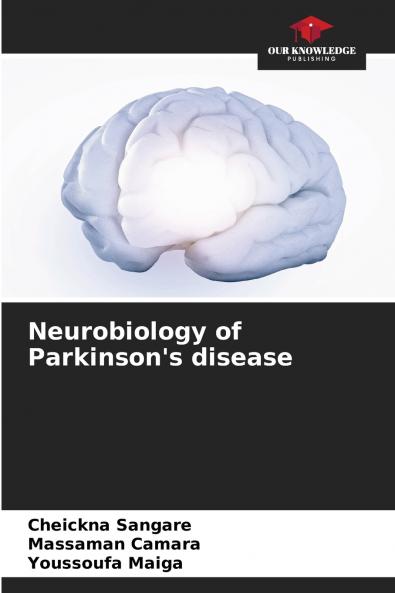
Parkinson's disease is one of the most common neurodegenerative disorders. It is a chronic progressive disease characterized essentially by the progressive and irreversible destruction of dopamine-producing neurons in a specific region of the brain known as the substantia nigra leading to motor disorders such as rest tremor extrapyramidal hypertonia and bradykinesia. However other systems are also involved notably the cholinergic noradrenergic and serotonergic systems responsible for cognitive disorders non-motor symptoms as well as alterations in posture and gait. In patients with Parkinson's disease heterogeneous changes in the cholinergic noradrenergic and serotonergic systems can occur in different brain regions. These changes correlate with a variety of clinical features both motor and non-motor refractory to dopaminergic treatment and can be conceptualized within a systemic framework where nodal deficits can lead to circuit dysfunction.
Piracy-free
Assured Quality
Secure Transactions
Delivery Options
Please enter pincode to check delivery time.
*COD & Shipping Charges may apply on certain items.
Review final details at checkout.
Details
ISBN 13
9786209007361
Publication Date
-21-08-2025
Pages
-72
Weight
-111 grams
Dimensions
-152x229x4.38 mm
