



English





Paperback
₹3958
₹4976
20.46% OFF
(All inclusive*)
Delivery Options
Please enter pincode to check delivery time.
*COD & Shipping Charges may apply on certain items.
Review final details at checkout.
Looking to place a bulk order? SUBMIT DETAILS

Piracy-free

Assured Quality

Secure Transactions
About The Book
Description
Author
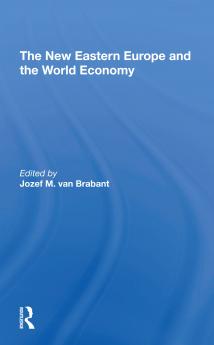
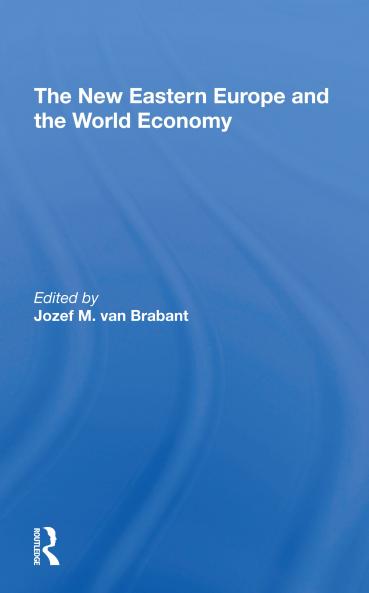
The unprecedented economic political and social changes that have followed the east European revolutions of late 1989 rank among the epochal events of the twentieth century. The end of the cold war has opened up far-reaching possibilities for international economic cooperation which may be able to stimulate economic growth in the region and revive interactions with the global economy. This collection of essays comes to grips with the problems of repositioning the new Eastern economies in the global arena. The contributors address four main themes: freeing up foreign economic sectors through trade liberalization currency convertibility and greater access to markets for international capital; the disintegration of the trade payment pricing and settlements systems based on the transferable ruble; active participation in the key organizations entrusted with international financial monetary and trading regimes; and strategies for using international economic assistance to alleviate adjustment costs with ongoing transition policies
Piracy-free
Assured Quality
Secure Transactions
Delivery Options
Please enter pincode to check delivery time.
*COD & Shipping Charges may apply on certain items.
Review final details at checkout.
Details
ISBN 13
9780367309794
Publication Date
-27-02-2021
Pages
-232
Weight
-356 grams
Dimensions
-157x246x12.52 mm
