

English


Paperback
₹4177
₹5356
22.01% OFF
(All inclusive*)
Delivery Options
Please enter pincode to check delivery time.
*COD & Shipping Charges may apply on certain items.
Review final details at checkout.
Looking to place a bulk order? SUBMIT DETAILS

Piracy-free

Assured Quality

Secure Transactions
About The Book
Description
Author
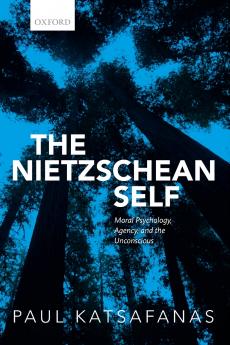
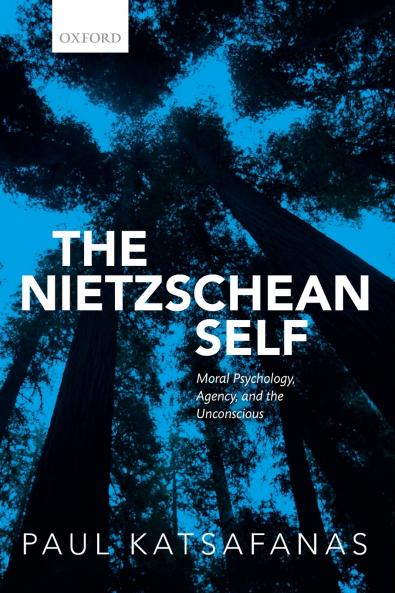
Nietzsche's works are replete with discussions of moral psychology but to date there has been no systematic analysis of his account. How does Nietzsche understand human motivation deliberation agency and selfhood? How does his account of the unconscious inform these topics? What is Nietzsche's conception of freedom and how do we become free? Should freedom be a goal for all of us? How does--and how should--the individual relate to his social context? <em>The Nietzschean Self</em> offers a clear comprehensive analysis of these central topics in Nietzsche's moral psychology. It analyzes his distinction between conscious and unconscious mental events explains the nature of a type of motivational state that Nietzsche calls the 'drive' and examines the connection between drives desires affects and values. It explores Nietzsche's account of willing unity of the self freedom and the relation of the self to its social and historical context. <em>The Nietzschean Self</em> argues that Nietzsche's account enjoys a number of advantages over the currently dominant models of moral psychology--especially those indebted to the work of Aristotle Hume and Kant--and considers the ways in which Nietzsche's arguments can reconfigure and improve upon debates in the contemporary literature on moral psychology and philosophy of action.<br>
Piracy-free
Assured Quality
Secure Transactions
Delivery Options
Please enter pincode to check delivery time.
*COD & Shipping Charges may apply on certain items.
Review final details at checkout.
Details
ISBN 13
9780198837107
Publication Date
-13-02-2019
Pages
-306
Weight
-438 grams
Dimensions
-156x234x16.28 mm
