

English


Paperback
₹2695
₹3368
19.98% OFF
(All inclusive*)
Delivery Options
Please enter pincode to check delivery time.
*COD & Shipping Charges may apply on certain items.
Review final details at checkout.
Looking to place a bulk order? SUBMIT DETAILS
Delivery Options
Please enter pincode to check delivery time.
*COD & Shipping Charges may apply on certain items.
Review final details at checkout.
About The Book
Description
Author
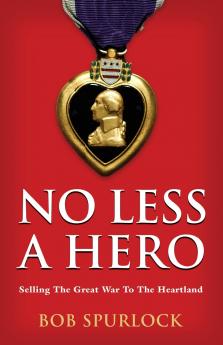
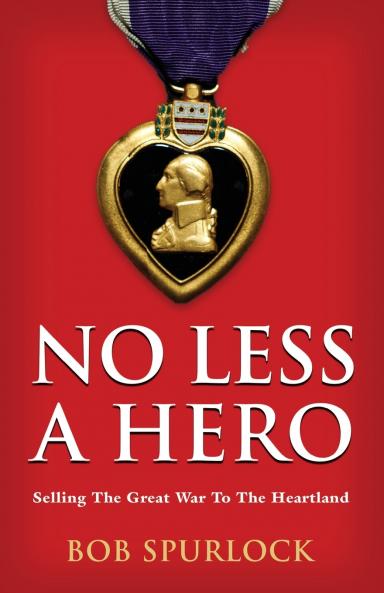
<p><span style=background-color: rgba(255 255 255 1); color: rgba(0 0 0 1)>America was changing rapidly in the early 20th Century. Telephones cars and airplanes made the nation smaller and women began to assert themselves as never before. The United States was prosperous and happily isolationist but that was about to change.</span></p><p><span style=background-color: rgba(255 255 255 1); color: rgba(0 0 0 1)>The great powers of Europe spent a decade building huge armies and navies and in 1914 the assassination of an Austrian nobleman turned the rival nations into enemy combatants. The United States remained neutral for almost three years until German submarine warfare forced President Wilson's hand.</span></p><p><span style=background-color: rgba(255 255 255 1); color: rgba(0 0 0 1)>The president had campaigned on promises to keep the nation out of the conflict but only weeks into his second term he had to quickly reverse course and convince Americans to join a war that already had cost millions of European lives.</span></p><p><span style=background-color: rgba(255 255 255 1); color: rgba(0 0 0 1)>He faced particular challenges with those who opposed the war especially first and second generation German Americans. He also had to navigate a divided cabinet some who supported aspirational tactics to motivate Americans and others who believed that fear intimidation and the curtailment of civil liberties was the best course.</span></p><p><span style=background-color: rgba(255 255 255 1); color: rgba(0 0 0 1)>To sell the war President Wilson hired George Creel a Denver newspaperman. Creel came to oversee the first modern all encompassing propaganda campaign designed to reach every American. He sent speakers into rural America he hired movie stars to make appearances he used composers to write patriotic ditties and he created heroes.</span></p><p><span style=background-color: rgba(255 255 255 1); color: rgba(0 0 0 1)>No Less A Hero illustrates the American World War One zeitgeist through the lives of a group of young Iowans. The young women of the group find their friendships tested by generational loyalties and two of them experience the fears of having loved ones on the front lines.</span></p><p><span style=background-color: rgba(255 255 255 1); color: rgba(0 0 0 1)>One of those young friends becomes an unlikely hero. He enlists days before the draft and by luck of the draw along with half his company he's sent to France. On New Years Eve 1917 he composes a resolution in his journal promising himself that he'll do everything he can to win the war. He's killed on July 28 1918 and a clerk discovers the journal in his personal effects. The resolution is forwarded to Creel's Committee on Public Information and it becomes the focal point of America's next Liberty Bond drive.</span></p><p><span style=background-color: rgba(255 255 255 1); color: rgba(0 0 0 1)>Creel and his committee have to bury an inconvenient truth however. The soldier Martin Treptow was killed by friendly fire. To hide that fact they alter news stories and intimidate his surviving comrades into creating a false narrative. His parents do not learn the truth until after the war.</span></p><p><span style=background-color: rgba(255 255 255 1); color: rgba(0 0 0 1)>Nevertheless the Treptow pledge continues to resonate. It's been read into the Congressional Record on at least three occasions and President Reagan cited the pledge and related Martin Treptow's story in his first inaugural address.</span></p><p><span style=background-color: rgba(255 255 255 1); color: rgba(0 0 0 1)>All but one of the book's central characters were real and the letters received by Martin's family and others still exist.</span></p>

Piracy-free

Assured Quality

Secure Transactions
Details
ISBN 13
9781959623274
Publication Date
-15-05-2025
Pages
-298
Weight
-353 grams
Dimensions
-140x216x15.66 mm
