

English


₹2646
(All inclusive*)
Paperback
Delivery Options
Please enter pincode to check delivery time.
*COD & Shipping Charges may apply on certain items.
Review final details at checkout.
Looking to place a bulk order? SUBMIT DETAILS
Delivery Options
Please enter pincode to check delivery time.
*COD & Shipping Charges may apply on certain items.
Review final details at checkout.
About The Book
Description
Author
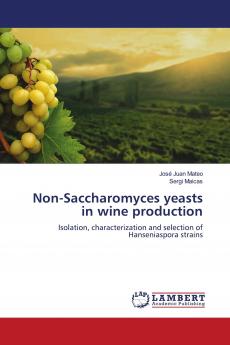
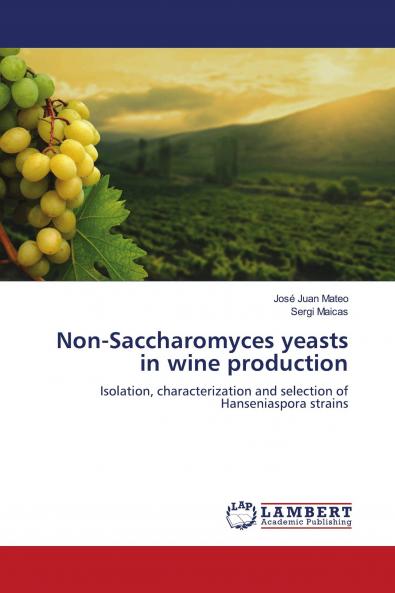
Wine fermentations as conducted by traditional methods (without inoculation) are not the result of the action of a single species or a single strain of yeast. Rather the final products result from the combined actions of several yeast species which grow in succession throughout the fermentation process. Some studies have described the isolation and identification of yeasts from grape surfaces and quantitative data on the ecology of grape yeasts have concluded that the isolation process of the total yeast population from the grapes is complex and dependent on many factors. Fermentations are initiated by the growth of various species of Candida Debaryomyces Hanseniaspora Hansenula Kloeckera Metschnikowia Pichia and Torulaspora. Their growth is generally limited to the first two or three days of fermentation after which they die off. Subsequently the most strongly fermenting and more ethanol tolerant species of Saccharomyces take over the fermentation. It is believed that during the first step of the fermentation low-fermentative yeasts produce some important reactions in must which improve the final flavour of wines.

Piracy-free

Assured Quality

Secure Transactions

Fast Delivery

Sustainably Printed
Details
ISBN 13
9783659490811
Publication Date
-13-03-2015
Pages
-76
Weight
-116 grams
Dimensions
-150x220x4.5 mm
