

English



Hardback
₹13488
₹17378
22.38% OFF
(All inclusive*)
Delivery Options
Please enter pincode to check delivery time.
*COD & Shipping Charges may apply on certain items.
Review final details at checkout.
Looking to place a bulk order? SUBMIT DETAILS
Delivery Options
Please enter pincode to check delivery time.
*COD & Shipping Charges may apply on certain items.
Review final details at checkout.
About The Book
Description
Author
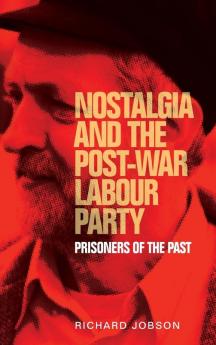
<p>This book examines the impact that nostalgia has had on the Labour Party's political development since 1951. In contrast to existing studies that have emphasised the role played by modernity it argues that nostalgia has defined Labour's identity and determined the party's trajectory over time. Jobson outlines how Labour at both an elite and a grassroots level has been and remains heavily influenced by a nostalgic commitment to an era of heroic male industrial working-class struggle.<br><br>This commitment has hindered policy discussion determined the form that the modernisation process has taken and shaped internal conflict and cohesion. More broadly Labour's emotional attachment to the past has made it difficult for the party to adjust to the socioeconomic changes that have taken place in Britain. In short nostalgia has frequently left the party out of touch with the modern world. In this way this study offers an assessment of Labour's failures to adapt to the changing nature and demands of post-war Britain and will be of interest to both students and academics working in the field of British political history and to those with a more general interest in Labour's history and politics.</p>

Piracy-free

Assured Quality

Secure Transactions

Fast Delivery

Sustainably Printed
Details
ISBN 13
9781526113306
Publication Date
-08-01-2018
Pages
-232
Weight
-428 grams
Dimensions
-156x234x14.29 mm
