


English



Hardback
₹15061
₹19833
24.06% OFF
(All inclusive*)
Delivery Options
Please enter pincode to check delivery time.
*COD & Shipping Charges may apply on certain items.
Review final details at checkout.
Looking to place a bulk order? SUBMIT DETAILS
Delivery Options
Please enter pincode to check delivery time.
*COD & Shipping Charges may apply on certain items.
Review final details at checkout.
About The Book
Description
Author(s)
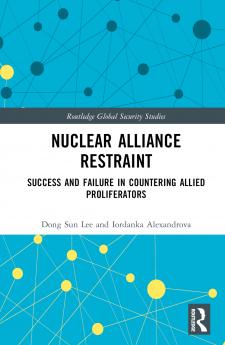
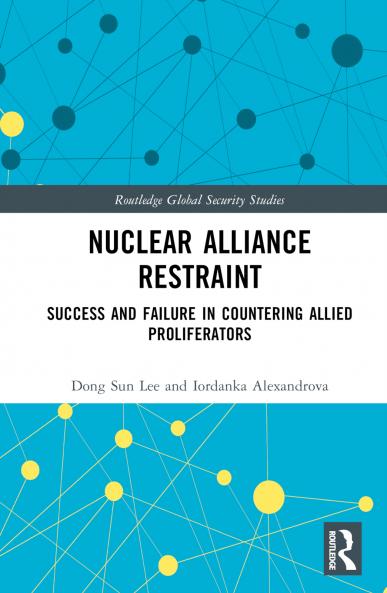
<p>This book examines why powerful states have varying success in restraining less-powerful allies from acquiring nuclear weapons based on a broad range of historical case studies.</p><p>The outcomes of nuclear alliance restraint primarily depend on two structural factors: the number of superpowers in the global system and the geographical distance between patrons and clients. Through in-depth case studies of South Korea North Korea China and Pakistan and a comprehensive analysis of 14 historical episodes the book demonstrates that restraint succeeds when there are two superpowers with one trying to rein in a distant ally. Conversely restraint often fails with a single superpower in the system or when nuclear aspirants are close to their patrons. This study has important implications for current nonproliferation efforts since it suggests that a bipolar world with the United States and China as superpowers would enhance counterproliferation effectiveness reducing nuclear proliferation risks. In addition an inducement-centered approach adopted early on would be most effective for these superpowers in restraining their allied proliferators.</p><p>This book will be of much interest to students of nuclear proliferation foreign policy security studies and international relations.</p>

Piracy-free

Assured Quality

Secure Transactions
Details
ISBN 13
9781032914015
Publication Date
-05-02-2025
Pages
-198
Weight
-381 grams
Dimensions
-155.96x233.93x12.17 mm
