

English


Paperback
₹3826
₹4282
10.65% OFF
(All inclusive*)
Delivery Options
Please enter pincode to check delivery time.
*COD & Shipping Charges may apply on certain items.
Review final details at checkout.
Looking to place a bulk order? SUBMIT DETAILS
Delivery Options
Please enter pincode to check delivery time.
*COD & Shipping Charges may apply on certain items.
Review final details at checkout.
About The Book
Description
Author(s)
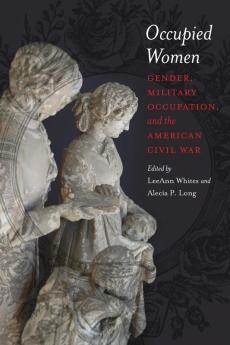
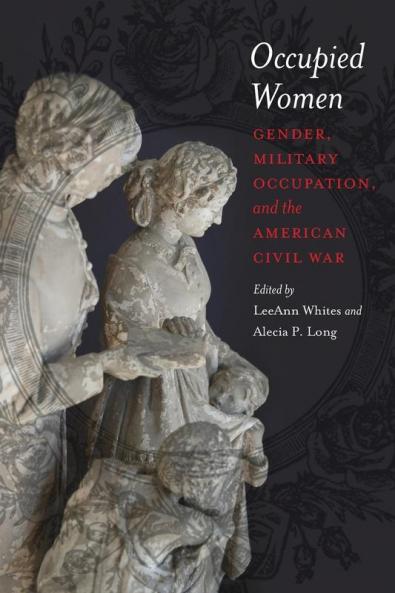
<p>In the spring of 1861 tens of thousands of young men formed military companies and offered to fight for their country. Near the end of the Civil War nearly half of the adult male population of the North and a staggering 90 percent of eligible white males in the South had joined the military. With their husbands sons and fathers away legions of women took on additional duties formerly handled by males and many also faced the ordeal of having their homes occupied by enemy troops. With occupation the home front and the battlefield merged to create an unanticipated second front where civilians -- mainly women -- resisted what they perceived as unjust domination. In Occupied Women twelve distinguished historians consider how women&#39;s reactions to occupation affected both the strategies of military leaders and ultimately even the outcome of the Civil War.</p><p>Alecia P. Long Lisa Tendrich Frank E. Susan Barber and Charles F. Ritter explore occupation as an incubator of military policies that reflected occupied women&#39;s activism. Margaret Creighton Kristen L. Streater LeeAnn Whites and Cita Cook examine specific locations where citizens both enforced and evaded these military policies. Leslie A. Schwalm Victoria E. Bynum and Joan E. Cashin look at the occupation as part of complex and overlapping differences in race class and culture. An epilogue by Judith Giesberg emphasizes these themes. Some essays reinterpret legendary encounters between military men and occupied women such as those prompted by General Butler&#39;s infamous &quot;Woman Order&quot; and Sherman&#39;s March to the Sea. Others explore new areas such as the development of military policy with regard to sexual justice. Throughout the contributors examine the common experiences of occupied women and address the unique situations faced by women whether Union Confederate or freed.</p><p>Civil War historians have traditionally depicted Confederate women as rendered inert by occupying armies but these essays demonstrate that women came together to form a strong localized resistance to military invasion. Guerrilla activity for example occurred with the support and active participation of women on the home front. Women ran the domestic supply line of food shelter and information that proved critical to guerrilla tactics.</p><p>By broadening the discussion of the Civil War to include what LeeAnn Whites calls the &quot;relational field of battle&quot; this pioneering collection helps reconfigure the location of conflict and the chronology of the American Civil War.</p>

Piracy-free

Assured Quality

Secure Transactions

Fast Delivery

Sustainably Printed
Details
ISBN 13
9780807137178
Publication Date
-01-01-2012
Pages
-266
Weight
-365 grams
Dimensions
-152x229x14.2 mm
