

English


Paperback
₹4517
₹6037
25.18% OFF
(All inclusive*)
Delivery Options
Please enter pincode to check delivery time.
*COD & Shipping Charges may apply on certain items.
Review final details at checkout.
Looking to place a bulk order? SUBMIT DETAILS
Delivery Options
Please enter pincode to check delivery time.
*COD & Shipping Charges may apply on certain items.
Review final details at checkout.
About The Book
Description
Author
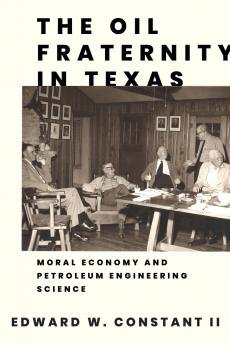
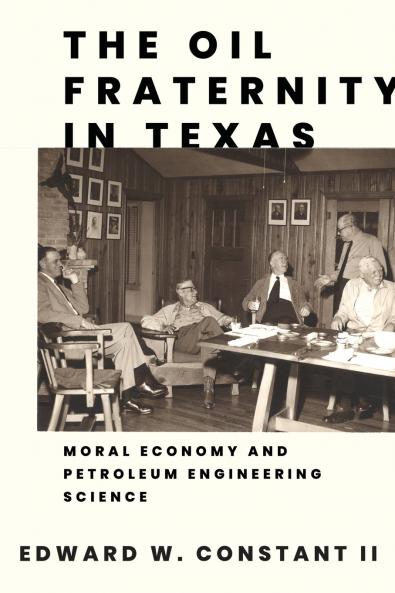
Despite their self-proclaimed reputation as the “greatest gamblers” and the fiercest of free-enterprise capitalists Edward W. Constant II argues that oilmen in Texas quickly evolved a closely-knit fraternity defined by an altruistic cooperative moral economy. Yet what oilmen did what they owned how they used it and how they thought about it was transmuted in practice and transformed in law by the emergence of an increasingly sophisticated and robust petroleum engineering science. Although savage in their criticism of and opposition to any form of “regulation” or government meddling since the early 1930s the oil fraternity has thrived and prospered mightily in one of the most highly regulated businesses in the United States. But this regulation by the Railroad Commission of Texas (itself part and parcel of the oil fraternity) was fraternal self-regulation: however fraught it was both science-based and protective of the oil fraternity and its moral economy. This book explores the origin character and path-dependent coevolution of these seemingly paradoxical features and offers an alternative?moral economy?to orthodox purely egoistic-incentive based accounts of economic behavior.

Piracy-free

Assured Quality

Secure Transactions

Fast Delivery

Sustainably Printed
Details
ISBN 13
9781682832202
Publication Date
-30-11-2024
Pages
-378
Weight
-511 grams
Dimensions
-152x229x21.38 mm
