

English


Paperback
₹3996
(All inclusive*)
Delivery Options
Please enter pincode to check delivery time.
*COD & Shipping Charges may apply on certain items.
Review final details at checkout.
Looking to place a bulk order? SUBMIT DETAILS
Delivery Options
Please enter pincode to check delivery time.
*COD & Shipping Charges may apply on certain items.
Review final details at checkout.
About The Book
Description
Author
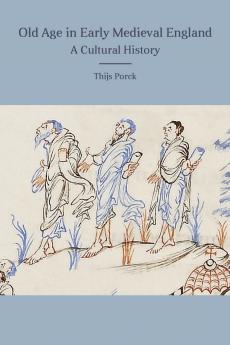
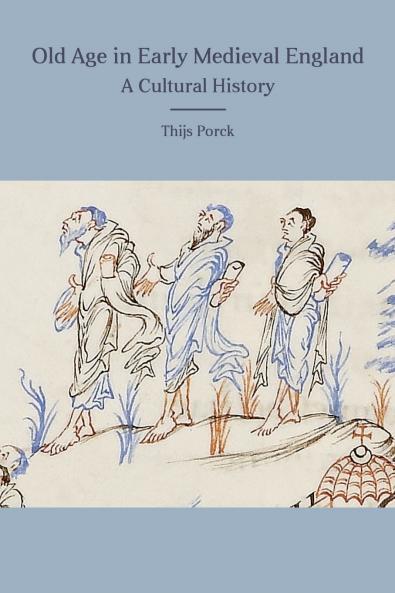
How did Anglo-Saxons reflect on the experience of growing old? Was it really a golden age for the elderly as has been suggested? This first full survey of the Anglo-Saxon cultural conceptualisation of old age as manifested and reflected in the texts and artwork of the inhabitants of early medieval England presents a more nuanced and complicated picture. The author argues that although senescence was associated with the potential for wisdom and pious living the Anglo-Saxons also anticipated various social psychological and physical repercussions of growing old. Their attitude towards elderly men and women - whether they were saints warriors or kings - was equally ambivalent. Multidisciplinary in approach this book makes use of a wide variety of sources ranging from the visual arts to hagiography homiletic literature and heroic poetry. Individual chapters deal with early medieval definitions ofthe life cycle; the merits and drawbacks of old age as represented in Anglo-Saxon homilies and wisdom poetry; the hagiographic topos of elderly saints; the portrayal of grey-haired warriors in heroic literature; Beowulf asa mirror for elderly kings; and the cultural roles attributed to old women.

Piracy-free

Assured Quality

Secure Transactions

Fast Delivery

Sustainably Printed
Details
ISBN 13
9781783276349
Publication Date
-18-06-2021
Pages
-290
Weight
-416 grams
Dimensions
-156x234x15.45 mm
