



This Book is Out of Stock!
English



₹1665
₹1895
12.14% OFF
(All inclusive*)
Paperback
Delivery Options
*COD & Shipping Charges may apply on certain items.
Review final details at checkout.
Looking to place a bulk order? SUBMIT DETAILS
*COD & Shipping Charges may apply on certain items.
Review final details at checkout.
₹1665
₹1895
12% OFF
Paperback
Out Of Stock
All inclusive*
About The Book
Description
Author
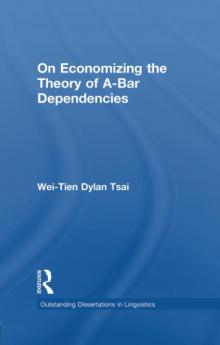
First Published in 1999. This book is divided into two parts. The first part is essentially a response to a minimalist question: how perfect is language? There are so many factors involved in hiding the true nature of a language from casual observers. On the other hand it is a lot easier to put a few languages side by side and show that the apparent imperfection actually comes from the diversity of their lexicons. By comparing wh-construals in Chinese Japanese English and Hindi it becomes clear that these languages follow an optimal design of operator-variable dependencies as best as they could. As best as their individual morphologies allow for that matter. The second part of this book addresses the issue how syntax interacts with semantics in a minimalist way.

Piracy-free

Assured Quality

Secure Transactions

Fast Delivery

Sustainably Printed
Details
ISBN 13
9781138865532
Publication Date
-23-06-2015
Pages
-224
Weight
-266 grams
Dimensions
-138x216x12.11 mm
