

English


₹12896
₹16295
20.86% OFF
(All inclusive*)
Hardback
Delivery Options
Please enter pincode to check delivery time.
*COD & Shipping Charges may apply on certain items.
Review final details at checkout.
Looking to place a bulk order? SUBMIT DETAILS
Delivery Options
Please enter pincode to check delivery time.
*COD & Shipping Charges may apply on certain items.
Review final details at checkout.
About The Book
Description
Author(s)
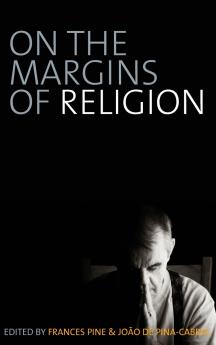
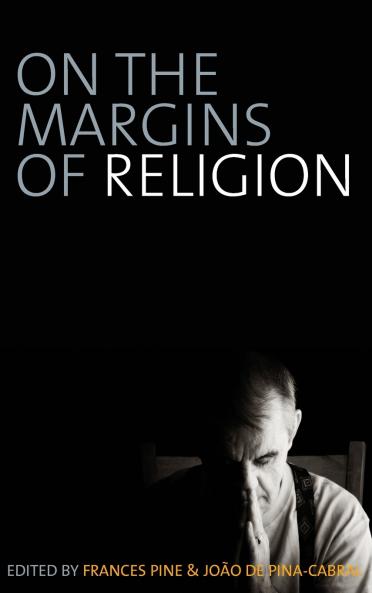
<p> Focusing on places objects bodies narratives and ritual spaces where religion may be found or inscribed the authors reveal the role of religion in contesting rights to places to knowledge and to property as well as access to resources. Through analyses of specific historical processes in terms of responses to socio-economic and political change the chapters consider implicitly or explicitly the problematic relation between science (including social sciences and anthropology in particular) and religion and how this connects to the new religious globalisation of the twenty-first century. Their ethnographies highlight the embodiment of religion and its location in landscapes built spaces and religious sites which may be contested physically or ideologically or encased in memory and often in silence. Taken together they show the importance of religion as a resource to the believers: a source of solace spiritual comfort and self-willed submission.</p>

Piracy-free

Assured Quality

Secure Transactions

Fast Delivery

Sustainably Printed
Details
ISBN 13
9781845454098
Publication Date
-01-03-2008
Pages
-298
Weight
-495 grams
Dimensions
-152x229x17.46 mm
