

English


Hardback
₹1076
₹1582
31.98% OFF
(All inclusive*)
Delivery Options
Please enter pincode to check delivery time.
*COD & Shipping Charges may apply on certain items.
Review final details at checkout.
Looking to place a bulk order? SUBMIT DETAILS
Delivery Options
Please enter pincode to check delivery time.
*COD & Shipping Charges may apply on certain items.
Review final details at checkout.
About The Book
Description
Author(s)
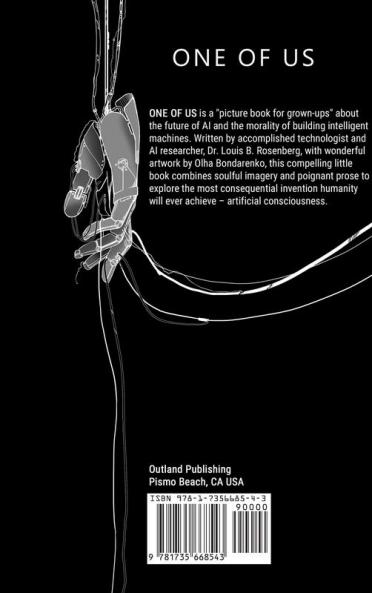
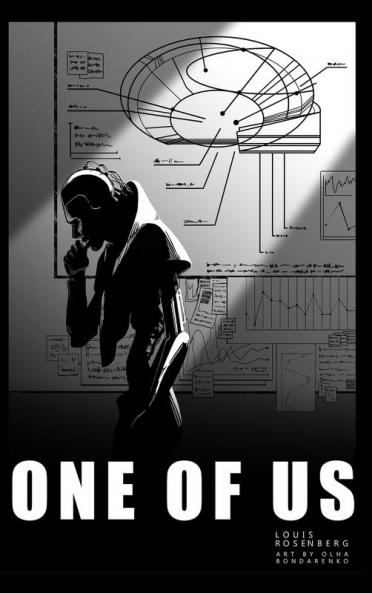
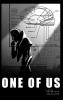
<p><strong style=background-color: rgba(255 255 255 1); color: rgba(0 0 0 1)>ONE OF US&nbsp;</strong><span style=background-color: rgba(255 255 255 1); color: rgba(0 0 0 1)>is a children's book (for adults and kids) about the future of AI and the morality of building artificial minds. Written by AI researcher Dr. Louis Rosenberg with soulful artwork by Olha Bondarenko this wonderful little book explores the implications of creating thinking feeling knowing machines. Told as a graphic poem the story avoids traditional AI fears and instead explores curiosity empathy and self-discovery as an artificial being realizes for the first time that it can think and feel.</span></p><p></p><p><span style=background-color: rgba(255 255 255 1); color: rgba(0 0 0 1)>Nominated for a </span><strong style=color: rgba(0 0 0 0.87)>Rhysling Award</strong><span style=color: rgba(0 0 0 0.87)> from the Science Fiction and Fantasy Poetry Association (SFPA) this artistic little book depicts a gentle newly awakened artificial being (AGI) who comes to life in a modern lab and asks his creator a simple but profound question:</span><em style=color: rgba(0 0 0 0.87)>&nbsp;</em><strong style=color: rgba(0 0 0 0.87)><em>What is my purpose here?</em></strong><em style=color: rgba(0 0 0 0.87)></em><span style=color: rgba(0 0 0 0.87)> When the creator struggles to provide a clear answer the question is turned back on humanity itself revealing that </span><em style=color: rgba(0 0 0 0.87)>meaning in one's life</em><span style=color: rgba(0 0 0 0.87)> is not something given by creators but is something that each thinking being must struggle to discover for themself.</span></p><p></p><p><span style=background-color: rgba(255 255 255 1); color: rgba(0 0 0 1)>Called </span><em style=color: rgba(0 0 0 0.87)>a wonderful read</em><span style=color: rgba(0 0 0 0.87)> by the San Francisco Book Review </span><strong style=color: rgba(0 0 0 0.87)>ONE OF US</strong><span style=color: rgba(0 0 0 0.87)> is both artistic and technical as it addresses the genuine angst that AI researchers feel as they ponder the creation of artificial minds that can think and feel for themselves.&nbsp;</span></p>

Piracy-free

Assured Quality

Secure Transactions

Fast Delivery

Sustainably Printed
Details
ISBN 13
9781735668543
Publication Date
-30-07-2021
Pages
-36
Weight
-152 grams
Dimensions
-152x229x6.35 mm
