

English


Hardback
₹10940
(All inclusive*)
Delivery Options
Please enter pincode to check delivery time.
*COD & Shipping Charges may apply on certain items.
Review final details at checkout.
Looking to place a bulk order? SUBMIT DETAILS

Piracy-free

Assured Quality

Secure Transactions
About The Book
Description
Author
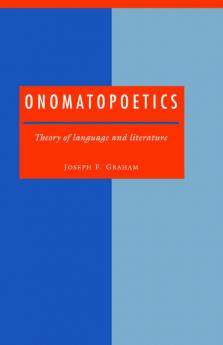
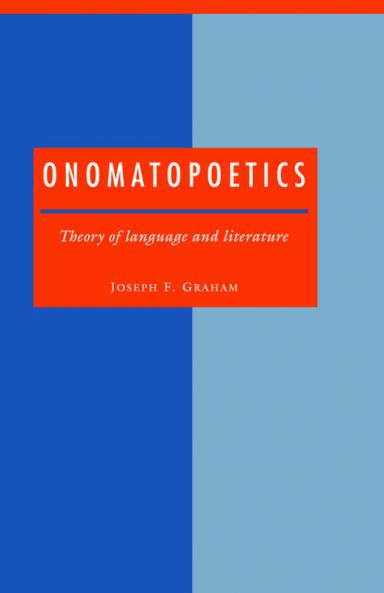
The relations that words bear to the things they denote and to the thoughts they express are once again the central focus of linguistic enquiry. This provocative book now examines the implications of those issues for literature and raises anew the question of the nature of literary representation. It reviews Plato''s discussion in the Cratylus of how words actually represent things either naturally or conventionally and contrasts Saussure''s sense of the almost complete arbitrariness of language with Chomsky''s idea of the innateness of grammar. The case against structural linguistics leads Joseph Graham''s argument into semiotics and fundamental issues of meaning and intentionality. Currently plausible theories of how the mind represents the world distinguish clearly its verbal and visual modes and thus give answers to aesthetic questions as to the real validity of the traditional analogies between poetry and painting.Dr. Graham shows the general concept of exemplification which emerges from the study of the mind to pertain directly to the study of literature and constitute a basic principle of literary theory. Reviewing Wimsatt''s notion of the verbal icon Fish''s concept of literature as self-consuming artefact and de Man''s idea of allegories of reading Graham shows these rival theories to be in fact complementary and their philosophical differences immaterial to poetic questions about the function of language in literature. He concludes that the real answers lie not in epistemology but in a psychology that explains how literature teaches and why humans learn best by example.
Piracy-free
Assured Quality
Secure Transactions
Delivery Options
Please enter pincode to check delivery time.
*COD & Shipping Charges may apply on certain items.
Review final details at checkout.
Details
ISBN 13
9780521400787
Publication Date
-04-09-1992
Pages
-330
Weight
-465 grams
Dimensions
-139.7x215.9x18.95 mm
