




This Book is Out of Stock!
English



Hardback
₹6803
₹8075
15.75% OFF
(All inclusive*)
Delivery Options
*COD & Shipping Charges may apply on certain items.
Review final details at checkout.
Looking to place a bulk order? SUBMIT DETAILS

Piracy-free

Assured Quality

Secure Transactions
About The Book
Description
Author
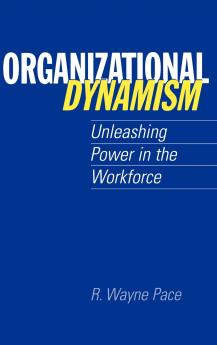
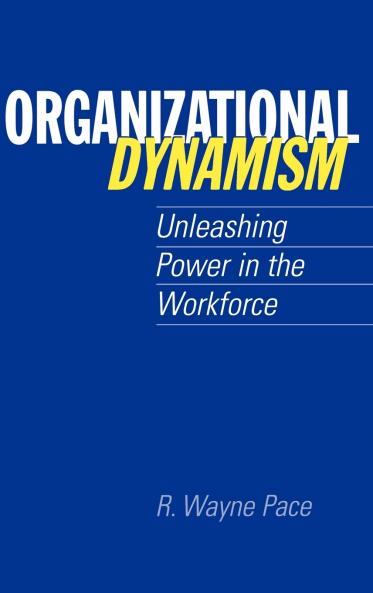
Critical to the success of any organization is a characteristic called dynamism. Exactly the opposite of anhedonia or listlessness dynamism is identified with intensity enthusiasm and motivation qualities that enable people in organizations to get things done. Psychologist Wayne Pace clarifies the meaning of dynamism and its various roles in organizational functioning provides ways to enhance and measure it and introduces to human resource professionals a new model of career progression based upon it. Better grounded in scientific principles and data than other books dealing with topics like vitality and enthusiasm and written in a direct positive credible and easy to grasp style Pace''s book covers an unusually wide range of topics--from work systems to language and interpersonal style to modes of thinking to mindsets--all of which he sees as dimensions of organizational dynamism and all of which play crucial roles in saving the organization from anhedonia. He makes clear that we cannot design work systems that alone will compel outstanding performance. Instead we must find ways to release the power of individual workers themselves. His book shows why work systems are so detrimental to enthusiasm and what can be done to reverse their effects. The result is an essential explication for human resource and organizational development specialists and an enlightening introduction for top management everywhere.Pace develops his ideas from a theory of credibility consisting of three dimensions: expertise or competence trust or confidence and dynamism or enthusiasm. Focusing his attention on the latter he explores the underlying mindsets that affect decisions to devote energy to work. He introduces new practices such as Altra Teams E-prime language and Natural Work Goals and explores the mental sets and perceptions that workers have things that affect the amount of energy enthusiasm and vigor they can devote to doing their work. He goes on to explain four work perceptions--performance opportunity fulfillment and expectations or aspirations--which he identifies as basic to the way modern workers approach their tasks. Not only does his book offer a theory and explanation of dynamism but it also provides concrete instruments to measure it and how well it is developing in your own organization. He then introduces the concepts of organizational learning and learning organizations and closes with a chapter containing incidents cases and personal reports that show how other organizations actually can--and do--release dynamism in their own work settings.
Piracy-free
Assured Quality
Secure Transactions
*COD & Shipping Charges may apply on certain items.
Review final details at checkout.
₹6803
₹8075
15% OFF
Hardback
Out Of Stock
All inclusive*
Details
ISBN 13
9781567205176
Publication Date
-30-12-2001
Pages
-248
Weight
-450 grams
Dimensions
-156x234x15.88 mm
