


English



Hardback
₹9528
₹15266
37.58% OFF
(All inclusive*)
Delivery Options
Please enter pincode to check delivery time.
*COD & Shipping Charges may apply on certain items.
Review final details at checkout.
Looking to place a bulk order? SUBMIT DETAILS
Delivery Options
Please enter pincode to check delivery time.
*COD & Shipping Charges may apply on certain items.
Review final details at checkout.
About The Book
Description
Author
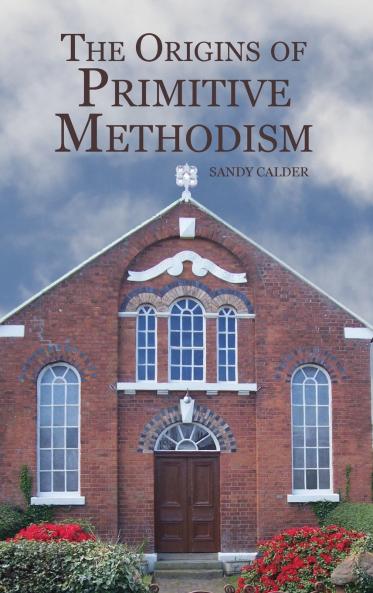
This book shows that while the Primitive Methodist Connexion's mature social character was working-class this did not reflect its social origins. It was never the church of the working class the great majority of whose churchgoers went elsewhere: rather it was the church whose commitment to its emotional witness was increasingly incompatible with middle-class pretensions. Sandy Calder shows that the Primitive Methodist Connexion was a religious movement led by a fairly prosperous elite of middle-class preachers and lay officials appealing to a respectable working-class constituency. This reality has been obscured by the movement's self-image as a persecuted community of humble Christians an image crafted by Hugh Bourne and accepted by later historians whether Methodists with a denominational agenda to promote or scholars in search of working-class radicals. Primitive Methodists exaggerated their hardships and deliberately under-played their social status and financial success. Primitive Methodism in the later nineteenth and early twentieth centuries became the victim of its own founding mythology because the legend of a community of persecuted outcasts concealing its actual respectability deterred potential recruits. SANDY CALDER graduated with a PhD in Religious Studies from the Open University and has previously worked in the private sector.

Piracy-free

Assured Quality

Secure Transactions

Fast Delivery

Sustainably Printed
Details
ISBN 13
9781783270811
Publication Date
-18-02-2016
Pages
-316
Weight
-543 grams
Dimensions
-156x234x19.05 mm
