

English


Paperback
₹4566
(All inclusive*)
Delivery Options
Please enter pincode to check delivery time.
*COD & Shipping Charges may apply on certain items.
Review final details at checkout.
Looking to place a bulk order? SUBMIT DETAILS

Piracy-free

Assured Quality

Secure Transactions
About The Book
Description
Author
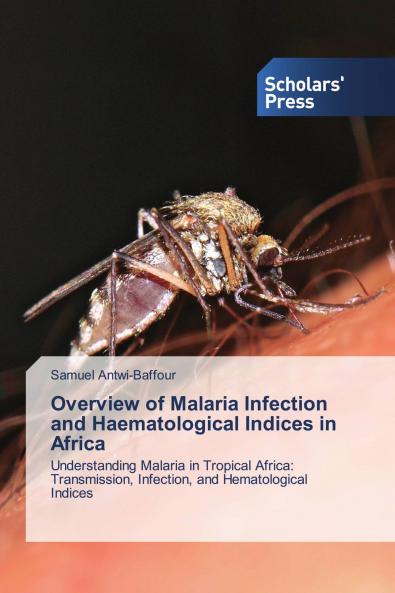
Malaria a severe parasitic disease transmitted by Anopheles mosquitoes is caused by various Plasmodium species with P. falciparum and P. vivax posing the greatest threat. While most infections are uncomplicated a small percentage progresses to severe malaria characterized by disruptions in immune cell profiles and increased cytokine levels. Severe P. falciparum malaria is associated with elevated plasma cytokines T cell lymphopenia and impaired T cell function. Treatment aims to restore immune cell balance particularly CD3+ CD4+ and CD8+ cells. Protective immunity involves CD8+ T cells and cytokines like IFN-γ and TNF while CD4+ T cells combat erythrocytic parasites through cytokine secretion and macrophage activation. Regulatory T cells also play a role highlighting the importance of cytokine balance in malaria. Additionally factors like antigen affinity influence T helper lymphocyte differentiation affecting immune responses to the disease.
Piracy-free
Assured Quality
Secure Transactions
Delivery Options
Please enter pincode to check delivery time.
*COD & Shipping Charges may apply on certain items.
Review final details at checkout.
Details
ISBN 13
9786206772170
Publication Date
-22-10-2024
Pages
-84
Weight
-127 grams
Dimensions
-150x220x4.92 mm
