


English



₹18319
₹23294
21.36% OFF
(All inclusive*)
Hardback
Delivery Options
Please enter pincode to check delivery time.
*COD & Shipping Charges may apply on certain items.
Review final details at checkout.
Looking to place a bulk order? SUBMIT DETAILS
Delivery Options
Please enter pincode to check delivery time.
*COD & Shipping Charges may apply on certain items.
Review final details at checkout.
About The Book
Description
Author
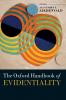
This volume offers a thorough systematic and crosslinguistic account of evidentiality the linguistic encoding of the source of information on which a statement is based. In some languages the speaker always has to specify this source - for example whether they saw the event heard it inferred it based on visual evidence or common sense or was told about it by someone else. While not all languages have obligatory marking of this type every language has ways of referring to information source and associated epistemological meanings. The continuum of epistemological expressions covers a range of devices from the lexical means in familiar European languages and in many languages of Aboriginal Australia to the highly grammaticalized systems in Amazonia or North America. In this handbook experts from a variety of fields explore topics such as the relationship between evidentials and epistemic modality contact-induced changes in evidential systems the acquisition of evidentials and formal semantic theories of evidentiality. The book also contains detailed case studies of evidentiality in language families across the world including Algonquian Korean Nakh-Dagestanian Nambikwara Turkic Uralic and Uto-Aztecan.<br>

Piracy-free

Assured Quality

Secure Transactions

Fast Delivery

Sustainably Printed
Details
ISBN 13
9780198759515
Publication Date
-26-03-2018
Pages
-920
Weight
-1558 grams
Dimensions
-170x244x47.63 mm
