

English


Paperback
₹5070
₹5337
5% OFF
(All inclusive*)
Delivery Options
Please enter pincode to check delivery time.
*COD & Shipping Charges may apply on certain items.
Review final details at checkout.
Looking to place a bulk order? SUBMIT DETAILS
Delivery Options
Please enter pincode to check delivery time.
*COD & Shipping Charges may apply on certain items.
Review final details at checkout.
About The Book
Description
Author
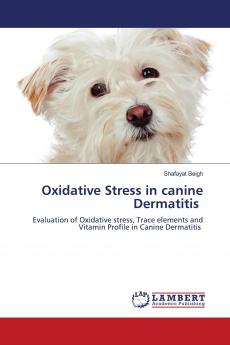
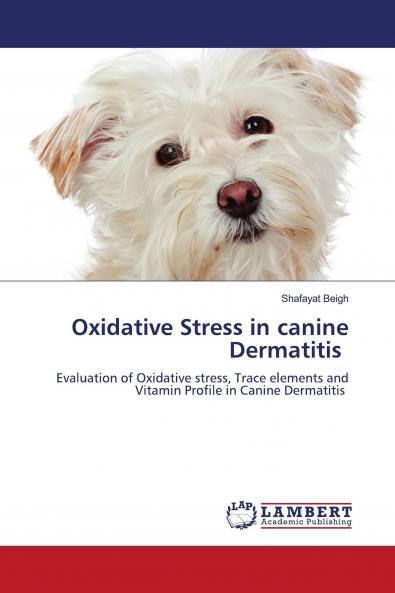
During the study a total of 112 dogs were screened for various dermatological problems. The overall prevalence of dermatitis was 20.96 per cent with maximum during the month of July (38.88%). On etiological basis bacterial fungal parasitic non-specific and nutritional dermatitis was 25.00 18.75 34.82 14.28 and 7.13% respectively. Among nutritional dermatosis 2.67% was zinc deficient and 4.46% was vitamin A deficient. Dogs of less than one year of age were found most susceptible to bacterial fungal and parasitic dermatitis. Staphylococcus spp Microsporum spp and Demodex canis were themain organism responsible for bacterial fungal and parasitic dermatitis. Significantchanges occurred in Hb PCV TEC and TLC in all types of dermatitis. Varying changesin DLC was observed in different type of dermatitis. Fungal dermatitis and demodicosisshowed a significant change in total protein which was accompanied by decreasedalbumin in demodicosis. Significant increase in ALT and AST was found in demodicosisonly and significant decrease in cholesterol was found in fungal dermatitis anddemodicosis.

Piracy-free

Assured Quality

Secure Transactions

Fast Delivery

Sustainably Printed
Details
ISBN 13
9786205519165
Publication Date
-30-11-2022
Pages
-104
Weight
-146 grams
Dimensions
-150x220x5.94 mm
