

English


Hardback
₹13588
₹16054
15.36% OFF
(All inclusive*)
Delivery Options
Please enter pincode to check delivery time.
*COD & Shipping Charges may apply on certain items.
Review final details at checkout.
Looking to place a bulk order? SUBMIT DETAILS

Piracy-free

Assured Quality

Secure Transactions
About The Book
Description
Author
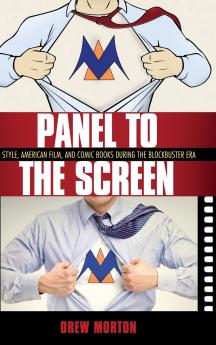
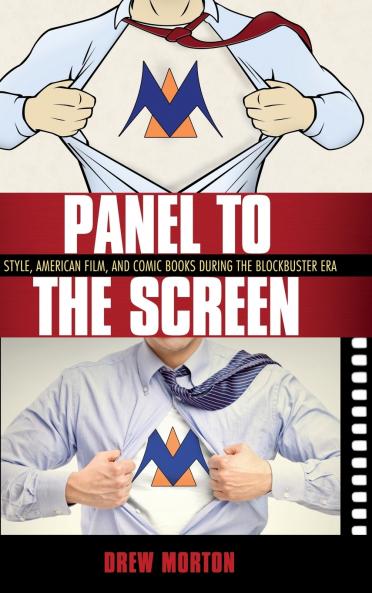
<p>&lt;p&gt;Over the past forty years American film has entered into a formal interaction with the comic book. Such comic book adaptations as &lt;i&gt;Sin City&lt;/i&gt; &lt;i&gt;300&lt;/i&gt; and &lt;i&gt;Scott Pilgrim vs. the World&lt;/i&gt; have adopted components of their source materials&rsquo; visual style. The screen has been fractured into panels the photographic has given way to the graphic and the steady rhythm of cinematic time has evolved into a far more malleable element. In other words films have begun to look like comics.&lt;p&gt;Yet this interplay also occurs in the other direction. In order to retain cultural relevancy comic books have begun to look like films. Frank Miller&rsquo;s original &lt;i&gt;Sin City&lt;/i&gt; comics are indebted to film noir while Stephen King&rsquo;s &lt;i&gt;The Dark Tower&lt;/i&gt; series could be a Sergio Leone spaghetti western translated onto paper. Film and comic books continuously lean on one another to reimagine their formal attributes and stylistic possibilities.&lt;p&gt;In &lt;i&gt;Panel to the Screen&lt;/i&gt; Drew Morton examines this dialogue in its intersecting and rapidly changing cultural technological and industrial contexts. Early on many questioned the prospect of a &ldquo;low&rdquo; art form suited for children translating into &ldquo;high&rdquo; art material capable of drawing colossal box office takes. Now the naysayers are as quiet as the queued crowds at Comic-Cons are massive. Morton provides a nuanced account of this phenomenon by using formal analysis of the texts in a real-world context of studio budgets grosses and audience reception.&lt;/p&gt;</p>
Piracy-free
Assured Quality
Secure Transactions
Delivery Options
Please enter pincode to check delivery time.
*COD & Shipping Charges may apply on certain items.
Review final details at checkout.
Details
ISBN 13
9781496809780
Publication Date
-01-12-2016
Pages
-240
Weight
-419 grams
Dimensions
-152x229x14.29 mm
