

English


₹3531
₹3717
5% OFF
(All inclusive*)
Paperback
Delivery Options
Please enter pincode to check delivery time.
*COD & Shipping Charges may apply on certain items.
Review final details at checkout.
Looking to place a bulk order? SUBMIT DETAILS
Delivery Options
Please enter pincode to check delivery time.
*COD & Shipping Charges may apply on certain items.
Review final details at checkout.
About The Book
Description
Author
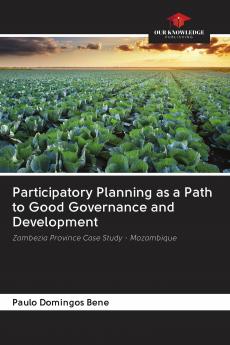
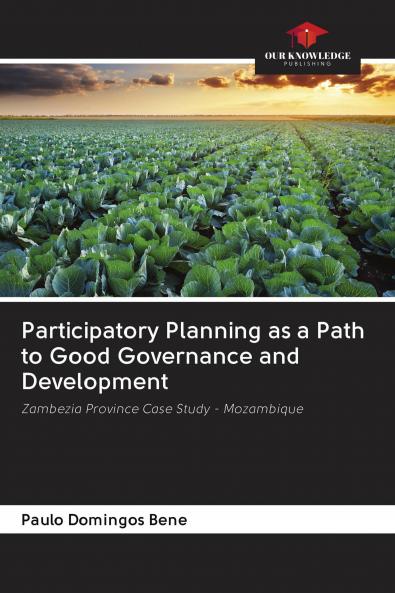
Mozambique like all former colonies sought soon after its independence in 1975 to follow paths that could lead to economic autonomy. For twelve years from 1975 to 1987 Mozambique embraced a socialist economy characterized by centralized planning with agriculture as the engine of rural development. As a result of the failures of this model together with errors and excesses from 1987 onwards the country made a turning point in its economic policy by adopting the market economy as a shallow saving board for the already impoverished economy. The process of decentralization brought new development initiatives aimed at the countryside where the participation of communities in the planning process is prioritized. However participatory planning as a process has many benefits and guarantees better satisfaction of the interests of the populations that the centralized model however continues the lack of trust participatory planning creates greater satisfaction and trust of the authorities within the communities.

Piracy-free

Assured Quality

Secure Transactions

Fast Delivery

Sustainably Printed
Details
ISBN 13
9786202725484
Publication Date
-31-08-2020
Pages
-132
Weight
-181 grams
Dimensions
-150x220x7.38 mm
