

by
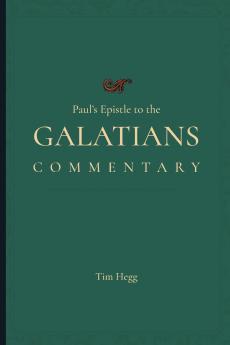
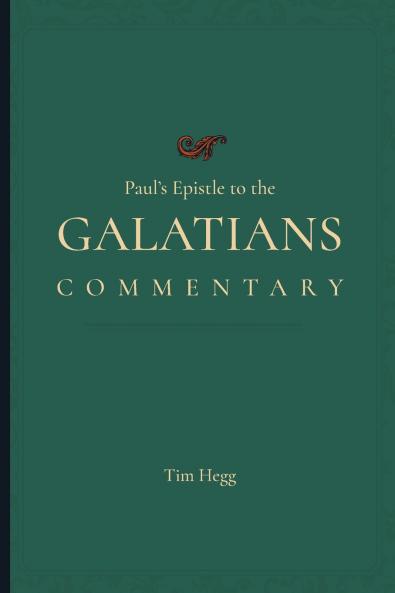
Tim Hegg
English


₹3746
₹4052
7.55% OFF
(All inclusive*)
Paperback
Delivery Options
Please enter pincode to check delivery time.
*COD & Shipping Charges may apply on certain items.
Review final details at checkout.
Looking to place a bulk order? SUBMIT DETAILS
Delivery Options
Please enter pincode to check delivery time.
*COD & Shipping Charges may apply on certain items.
Review final details at checkout.
About The Book
Description
Author
<p><span style=background-color: rgba(255 255 255 1); color: rgba(138 129 124 1)>Paul's primary audience was non-Jewish members of the Galatian congregations who were not proselytes but who had come to genuine faith in Yeshua and had been received into the community on the basis of Paul's teaching. They are clearly not circumcised (5:2-3) and had come out of paganism (idolatry) into the community of Israel (4:8). While Paul expects that all will hear the words of this epistle (Jew and non-Jew alike) and he writes with this in mind his primary audience is the non-Jewish membership and it is to them that the bulk of exhortations are directed.</span></p><p><span style=background-color: rgba(255 255 255 1); color: rgba(138 129 124 1)>The backgrounds to this epistle proposed by Tim Hegg yield the following scenario and thus the purpose for Paul's writing it:</span></p><ul><li><span style=color: rgba(138 129 124 1); background-color: rgba(0 0 0 0)>Paul had helped to establish congregations in Galatia comprised almost entirely of non-Jewish believers in Yeshua. They were following the commandments of God and living out their faith within the context of Torah life as they studied the Scriptures.</span></li><li><span style=color: rgba(138 129 124 1); background-color: rgba(0 0 0 0)>By Paul's teaching they were not concerned to become proselytes since they had come to believe that faith in Yeshua the indwelling Spirit and the Tanach along with Paul's instructions were sufficient for their life of righteousness.</span></li><li><span style=color: rgba(138 129 124 1); background-color: rgba(0 0 0 0)>Some Jewish members of the congregation however could not envision the possibility of non-Jews being received as covenant members apart from their submission to the ritual of a proselyte (being circumcised). These members were influencing the non-Jewish members to accept the erroneous doctrine that apart from their submission to rabbinic&nbsp;</span><em style=color: rgba(138 129 124 1); background-color: rgba(0 0 0 0)>halachah</em><span style=color: rgba(138 129 124 1); background-color: rgba(0 0 0 0)> they were not full sons in the covenant.</span></li><li><span style=color: rgba(138 129 124 1); background-color: rgba(0 0 0 0)>Paul therefore writes to outline the means by which God brings sinners into the covenant and to expose the erroneous teaching that adherence to man-made&nbsp;</span><em style=color: rgba(138 129 124 1); background-color: rgba(0 0 0 0)>halachah</em><span style=color: rgba(138 129 124 1); background-color: rgba(0 0 0 0)>&nbsp;(particularly the ritual of proselytizing) was necessary for full covenant membership.</span></li></ul><p><span style=background-color: rgba(255 255 255 1); color: rgba(138 129 124 1)>Paul's epistle to the Galatians is often used to argue that the Apostle had come to a new realization about his former belief in Judaism. </span></p><p><span style=background-color: rgba(255 255 255 1); color: rgba(138 129 124 1)>Tim Hegg challenges this view in his commentary on the book of Galatians. Tim approaches this text with a fresh understanding that Paul did not give up his heritage but instead saw Yeshua as the fulfillment of what he had longed for. In this framework Tim sees Galatians not as a work against the laws of God but as a letter that affirms all covenant members whether Jew or Gentile are welcomed into the family of God.</span></p><p></p>

Piracy-free

Assured Quality

Secure Transactions

Fast Delivery

Sustainably Printed
Details
ISBN 13
9781737373124
Publication Date
-26-12-2024
Pages
-374
Weight
-506 grams
Dimensions
-152x229x19.64 mm
