

English


Paperback
₹4847
₹4895
0.98% OFF
(All inclusive*)
Delivery Options
Please enter pincode to check delivery time.
*COD & Shipping Charges may apply on certain items.
Review final details at checkout.
Looking to place a bulk order? SUBMIT DETAILS

Piracy-free

Assured Quality

Secure Transactions
About The Book
Description
Author
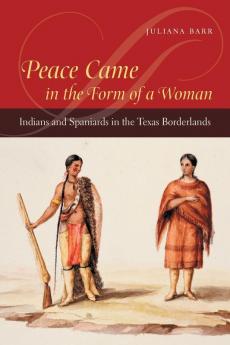
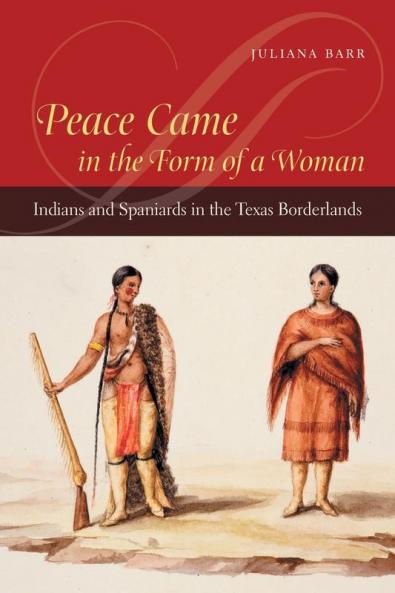
Revising the standard narrative of European-Indian relations in America Juliana Barr reconstructs a world in which Indians were the dominant power and Europeans were the ones forced to accommodate resist and persevere. She demonstrates that between the 1690s and 1780s Indian peoples including Caddos Apaches Payayas Karankawas Wichitas and Comanches formed relationships with Spaniards in Texas that refuted European claims of imperial control.<br/><br/>Barr argues that Indians not only retained control over their territories but also imposed control over Spaniards. Instead of being defined in racial terms as was often the case with European constructions of power diplomatic relations between the Indians and Spaniards in the region were dictated by Indian expressions of power grounded in gendered terms of kinship. By examining six realms of encounter &#x2014; first contact settlement and intermarriage mission life warfare diplomacy and captivity &#x2014; Barr shows that native categories of gender provided the political structure of Indian-Spanish relations by defining people&#x2019;s identity status and obligations vis-&#xE0;-vis others. Because native systems of kin-based social and political order predominated argues Barr Indian concepts of gender cut across European perceptions of racial difference.
Piracy-free
Assured Quality
Secure Transactions
Delivery Options
Please enter pincode to check delivery time.
*COD & Shipping Charges may apply on certain items.
Review final details at checkout.
Details
ISBN 13
9780807857908
Publication Date
-19-03-2007
Pages
-412
Weight
-583 grams
Dimensions
-156x234x23.28 mm
